There’s a special joy in biting into a perfectly golden, crispy waffle, a culinary canvas ready for your favorite toppings. But behind every delightful waffle lies a well-maintained waffle maker, particularly its non-stick coating. This crucial surface ensures easy release and quick cleanup, yet it’s surprisingly delicate. Many home cooks inadvertently commit common errors that slowly but surely erode this essential coating, leading to frustratingly stuck waffles and a shortened appliance lifespan. Understanding these pitfalls is the first step towards preserving your waffle maker and ensuring countless batches of flawless breakfast treats.
The Lifespan of Your Waffle Maker Coating: An Overview
At its core, a waffle maker’s non-stick coating is designed to provide a smooth, low-friction surface, making it easy to remove waffles without tearing and simplifying the cleanup process. Most modern electric waffle makers feature a non-stick coating, often PTFE-based (like Teflon) or ceramic, which allows batter to cook without adhering to the grids. The integrity of this coating is paramount; once compromised, even slightly, waffles begin to stick, requiring more effort to remove and leaving behind stubborn residue. Conversely, traditional cast-iron waffle irons, while not having a “coating” in the same sense, rely on a well-developed seasoning—a layer of polymerized oil—to achieve their non-stick properties, which also requires specific care to maintain. Recognizing the delicate nature of these surfaces is key to prolonging their life and your enjoyment of hassle-free waffle making.
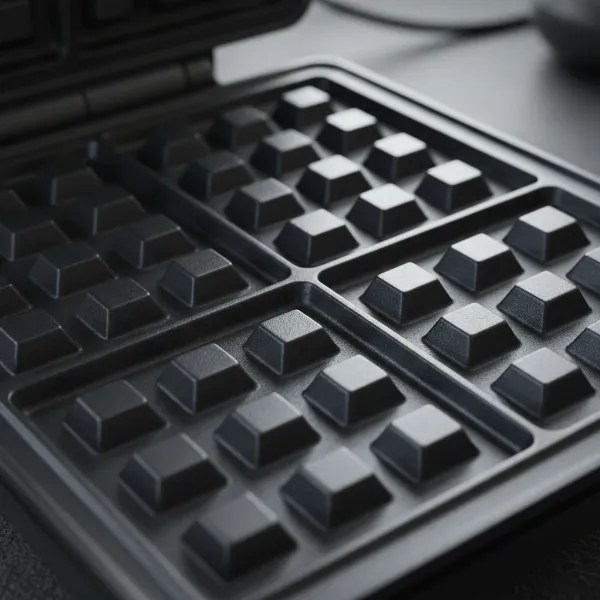 Close-up of a well-maintained non-stick waffle maker surface.
Critical Mistakes That Damage Your Waffle Maker’s Coating
Protecting your waffle maker’s coating is simpler than you might think, but it requires vigilance against several common missteps. Avoiding these everyday errors will significantly extend the life and performance of your appliance.
Using the Wrong Utensils and Abrasive Tools
|
Our Picks for the Best Waffle maker in 2026
As an Amazon Associate I earn from qualifying purchases.
|
||
| Num | Product | Action |
|---|---|---|
| 1 | Waffle Maker, Rotating Belgian Waffle Maker, 180° Flip Waffle Iron, Non-Stick Plate, Adjustable Browning Control, Foldable Cool Touch Handle, Removable Drip Tray, Space Saving Storage, Stainless Steel |

|
| 2 | Dash No-Drip Waffle Maker - Quad Waffle Maker for Hassle-Free Breakfasts - Dual Nonstick Heating Plates & Quick Heat-Up System - Easy-Release Surface - Silver |
|
| 3 | Cuisinart Waffle Maker, 1250W Round Classic Waffle Iron, 5-Setting Adjustable Browning Control, WMR-CANAS, Brushed Stainless |
|
| 4 | Cuisinart Waffle Maker, 1250W Round Classic Waffle Iron, 5-Setting Adjustable Browning Control, WMR-CAP2, Brushed Stainless |
|
| 5 | Dash Mini Waffle Maker- Compact Electric Iron for Creative Homemade Treats - Nonstick Surface - Easy-to-Clean - Perfect for Kids & Families - Aqua |
|
| 6 | KRUPS 4-Slice Belgian Waffle Maker: Stainless Steel, 5 Browning Levels, Audible Ready Beep, Removable Plates, 1200W, Silver/Black, Large Waffle Maker Family Size, Great for Family Breakfasts |
|
| 7 | bella Classic Rotating Belgian Waffle Maker with Nonstick Plates, Removable Drip Tray, Adjustable Browning Control and Cool Touch Handles, Black |
|
| 8 | OSTBA Waffle Maker, 2 Slice Non-Stick Waffle Iron, Belgian Waffle Machine with Indicator Lights, PFOA Free, Perfect for Breakfast and Snacks, 750W |
|
| 9 | Elite Gourmet EWM015MX Electric Nonstick 4.5-inch Mini Waffle Maker, Belgian Waffles, Compact Design, Hash Browns, Keto, Snacks, Sandwich, Eggs, Easy to Clean, Mint |
|
| 10 | Cuisinart Round Flip Belgian Waffle Maker, Black/Silver, 1 inch thick, WAF-F30NAS |
|
One of the quickest ways to ruin a non-stick coating is by introducing metal. Metal spatulas, forks, or even the prongs of a regular kitchen fork can easily scratch and chip away at the delicate non-stick surface. Once scratched, the coating begins to degrade, leading to waffles that stick persistently and flaking particles that can end up in your food. Similarly, abrasive sponges, steel wool, or harsh scouring pads, while effective on some surfaces, are coating killers. They physically abrade the non-stick layer, leaving it rough and ineffective.
Relying on Aerosol Cooking Sprays
Many people reach for aerosol cooking sprays, believing they enhance non-stick properties. However, these sprays often contain additives like propellants and emulsifiers that, when heated, can polymerize and create a sticky, gummy residue on the waffle maker’s surface. This residue builds up over time, ironically making your waffles stick more, and can be incredibly difficult to remove without damaging the underlying coating. It creates a tacky film that traps crumbs and becomes a breeding ground for future sticking problems, completely counteracting the non-stick properties it was meant to protect.
Improper Cleaning Techniques
Cleaning is crucial, but doing it incorrectly can be more damaging than not cleaning at all. Attempting to clean a waffle maker while it’s still hot can be dangerous and ineffective, potentially burning you or embedding batter more deeply. Conversely, waiting until the appliance is completely cold can make stuck-on batter incredibly difficult to remove, tempting you to use harsher methods. Submerging an electric waffle maker in water is another critical error, as it can damage electrical components and is unsafe. Using harsh chemical cleaners, even if marketed for kitchen use, can also strip away or degrade the non-stick surface over time.
Overfilling and Burnt Batter
The temptation to achieve a perfectly full waffle can lead to overfilling the grids. When too much batter is poured, it overflows, creating a sticky mess that can spill onto the exterior and seep into crevices, making cleanup a nightmare. If left to burn, this overflowed batter becomes a stubborn, crusty deposit that requires aggressive scraping to remove, risking damage to the coating or the appliance’s exterior. Additionally, waffles cooked too long, resulting in burnt batter, will adhere more strongly to the surface, increasing the likelihood of damage when attempting to remove them.
Neglecting Proper Greasing/Seasoning
Even non-stick surfaces benefit from a light application of cooking oil. Neglecting this step can lead to waffles sticking, forcing you to use tools that might scratch the surface during removal. For cast-iron waffle irons, a lack of proper seasoning means no non-stick barrier at all, resulting in severe sticking. Conversely, applying too much oil, especially repeatedly without thorough cleaning, can lead to the same problematic residue buildup seen with aerosol sprays, turning the non-stick surface into a sticky trap.
Storing Without Thorough Cleaning
Putting away a waffle maker with lingering crumbs, oil, or batter residue can lead to long-term problems. Over time, these residues can harden and become permanently bonded to the coating, creating rough spots where waffles will consistently stick. It also makes the appliance a magnet for pests and can lead to unsanitary conditions, impacting both its functionality and hygiene.
Essential Tips for Protecting Your Waffle Maker Coating
When it comes to purchasing and maintaining your waffle maker, a little foresight can go a long way in preserving its non-stick coating and ensuring years of perfect waffles.
Choosing Durable Coatings
While all non-stick coatings require care, some offer greater durability. Look for waffle makers with high-quality ceramic or reinforced non-stick surfaces. Ceramic coatings, often PFOA-free, are known for their scratch resistance and ability to withstand higher temperatures, though they still benefit from gentle treatment. Researching brands known for their robust non-stick technology can also guide your decision. Some manufacturers use multi-layered coatings that offer enhanced resilience against wear and tear, making them a wise investment for long-term use.
Features for Coating Longevity
Certain design features can significantly aid in maintaining your waffle maker’s coating. Models with removable, dishwasher-safe plates simplify cleaning immensely, reducing the need for awkward scrubbing inside the unit and minimizing potential coating damage. Adjustable temperature controls are also beneficial, allowing you to cook at the optimal heat, preventing batter from burning and sticking excessively. Indicator lights that signal when the iron is preheated and when waffles are done help prevent opening the iron too early or overcooking, both of which can lead to sticking. While not directly coating-related, choosing a size and capacity that fits your typical usage prevents overfilling and messy overflows, further protecting the exterior and indirectly the internal cooking plates.
Brand Reputation and Value
Investing in a reputable brand often means investing in better quality coatings and overall appliance construction. Established brands frequently use superior non-stick materials and manufacturing processes that result in more durable and long-lasting surfaces. While higher-priced models might seem like an extravagance, they often feature advanced coating technologies and better heat distribution, both of which contribute to the longevity of the non-stick surface. Reading user reviews specific to coating durability can provide real-world insights into a brand’s reliability.
Best Practices for Using and Cleaning Your Waffle Maker
Mastering the art of waffle making involves not just the recipe, but also precise care for your appliance. Following these best practices will help you protect your non-stick coating and ensure consistently excellent results.
Proper Preparation
Before your first waffle of the day, lightly grease non-stick plates with a high smoke-point cooking oil, like canola or vegetable oil. You can apply it with a paper towel or a silicone basting brush, wiping off any excess to prevent residue buildup. For cast-iron waffle irons, ensure they are well-seasoned; if waffles start to stick, a light re-seasoning may be necessary. Avoiding aerosol sprays is critical; their additives contribute to sticky residue that degrades non-stick performance over time.
Gentle Usage
Always allow your waffle maker to preheat fully before adding batter; this ensures even cooking and reduces sticking. Fill the grids carefully, using only enough batter to cover the bottom plate, leaving room for expansion. This prevents messy overflows that can burn and harden, making cleanup challenging. Be patient, waiting for the steaming to stop or the indicator light to signal doneness before opening the iron. Prematurely opening the waffle maker can tear delicate waffles, leaving stuck bits that are difficult to remove.
Effective Cleaning Routine
The trick to a clean waffle maker is timing. Wait for the appliance to cool down completely to the touch, but don’t let it sit for hours, as baked-on batter hardens when cold. Unplug the unit before starting.
- Initial Wipe-Down: Use a dry paper towel or a soft, damp cloth to wipe away any loose crumbs and absorb excess oil from the grids.
- For Stuck Batter: For stubborn, caked-on batter, dampen a paper towel or a soft cloth with warm water, place it on the grids, close the lid, and let the steam loosen the residue for a few minutes. Alternatively, apply a few drops of cooking oil directly to the caked-on batter, let it sit for five minutes, then gently wipe away.
- Deep Cleaning Paste: Mix baking soda with a small amount of water to form a paste. Apply this paste to any stained areas or sticky residue, let it sit for 10-15 minutes (or up to 45 for tougher spots), then gently scrub with a soft-bristled brush or non-abrasive sponge. Wipe clean with a damp cloth, ensuring no baking soda residue remains. A solution of equal parts white vinegar and water can also be effective for grease.
- Tools: Only use soft silicone utensils, plastic scrapers (like a credit card), or specialty waffle picks to remove waffles or stubborn residue. Never use metal.
- Removable Plates: If your model has removable plates, gently wash them in warm, soapy water with a soft sponge, rinse thoroughly, and air dry. Plates should never be put in the dishwasher unless explicitly stated by the manufacturer.
“The secret to a long-lasting non-stick coating isn’t magic, it’s mindfulness. Treat your waffle maker with the same care you would a fine chef’s knife, and it will serve you beautifully for years.” – Chef Antoine Dubois, Waffle Appliance Specialist
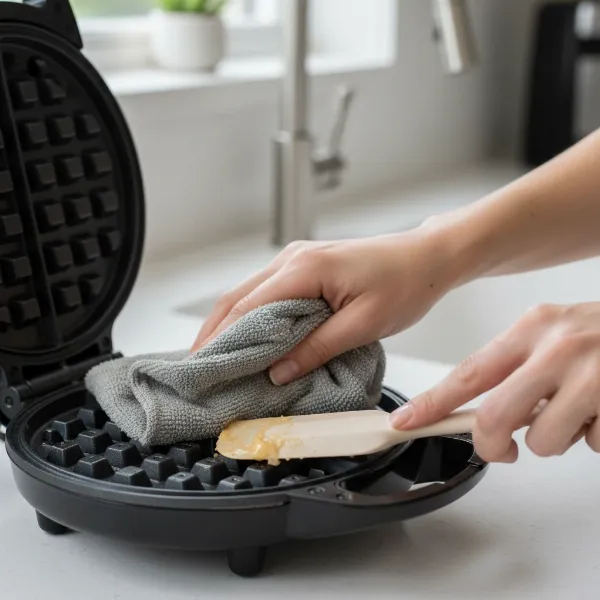 Person gently cleaning a waffle maker with a soft cloth and silicone spatula.
Maintenance for Longevity
After cleaning, always ensure your waffle maker is completely dry before storing it. Any residual moisture can lead to corrosion or, in electric models, electrical issues. Store the appliance in a clean, dry place, ideally with the lid slightly ajar if recommended by the manufacturer, to prevent moisture buildup. Regularly inspecting your waffle maker for any signs of coating wear or damage will allow you to address issues early, preventing further deterioration.
Simple Waffle Recipes: Coating-Friendly Options
While the joy of waffles often comes from rich, sweet batters, understanding how ingredients interact with your non-stick coating can help prevent sticking and maintain its integrity. Recipes that are well-balanced in fat and sugar content tend to be more coating-friendly.
Consider classic buttermilk waffle recipes, which often include sufficient butter or oil to aid in release. For a twist, try a savory cheese and herb waffle; the lack of high sugar content reduces the risk of caramelization and sticking. When experimenting with sweet variations, moderate the amount of sugar, honey, or syrup added directly to the batter, as these can become very sticky when heated and adhere more stubbornly to the grids. Always ensure your batter has adequate fat—whether from eggs, butter, or oil—as this creates a natural barrier against sticking.
Conclusion
Your waffle maker is a gateway to countless delicious breakfasts, brunches, and desserts. However, its non-stick coating is a delicate component that requires attentive care to maintain its effectiveness. By avoiding common mistakes like using metal utensils, abrasive cleaners, and aerosol cooking sprays, and instead embracing proper greasing, gentle usage, and meticulous cleaning techniques, you can significantly prolong the life of your appliance. Choosing a waffle maker with durable features and a strong brand reputation further solidifies your investment. Treat your waffle maker with the respect it deserves, and it will reward you with perfectly crisp, easily released waffles for years to come. What steps will you take today to ensure your waffle maker’s coating remains pristine?
Frequently Asked Questions
Why do my waffles always stick, even with a non-stick waffle maker?
Waffles can stick due to several reasons, including a degraded non-stick coating from improper cleaning or utensil use, residue buildup from aerosol cooking sprays, not preheating the iron adequately, or a batter lacking sufficient fat.
Can I repair a scratched non-stick coating on my waffle maker?
Unfortunately, once a non-stick coating is scratched or chipped, it cannot be fully repaired. The best you can do is prevent further damage by being extremely careful with utensils and cleaning, but the non-stick properties will be permanently compromised.
Is it safe to use a waffle maker with a damaged non-stick coating?
While some flaking non-stick material may be ingested, most modern non-stick coatings are considered non-toxic if accidentally consumed in small amounts. However, continued use will lead to increased sticking and may affect the taste and quality of your waffles.
How often should I clean my waffle maker?
For optimal performance and hygiene, you should give your waffle maker a quick wipe-down after every use, once it has cooled. A deeper clean using a baking soda paste or vinegar solution should be performed monthly, or more frequently if used often.
What kind of oil is best for greasing a non-stick waffle maker?
High smoke-point cooking oils like canola, vegetable, or grapeseed oil are excellent choices. Apply a light coating with a paper towel or silicone brush before the first waffle of the day, rather than before each individual waffle. Avoid aerosol sprays.
Can I use a dishwasher to clean my waffle maker plates?
Only if the manufacturer explicitly states that the plates are removable and dishwasher-safe. For most waffle makers, especially those with non-removable plates, hand washing with warm, soapy water and a soft sponge is the recommended method to preserve the non-stick coating.
How do I remove stubborn, burnt-on residue without damaging the coating?
After allowing the Waffle Maker to cool, place a damp paper towel or cloth on the burnt-on areas, close the lid, and let the steam loosen the residue. Alternatively, apply cooking oil to the stubborn spots, let it sit for a few minutes to soften, then gently scrape with a soft plastic scraper or a credit card. Follow up with a baking soda paste if needed.