There’s a special kind of magic that happens on a lazy weekend morning. It’s the gentle hiss of batter hitting a hot iron, the sweet, malty aroma filling the kitchen, and the promise of a golden, crispy waffle. The unsung hero of this perfect moment? The flawless nonstick surface of your waffle maker. But what’s the secret to keeping that magic alive? Knowing exactly How To Care For A Nonstick Coating is the difference between years of glorious waffles and a sticky, frustrating mess. Let’s be honest, nobody wants to spend their morning scraping burnt batter off a ruined machine. This guide is your new best friend, ensuring your waffle maker remains a loyal, non-stick companion for countless breakfasts to come.
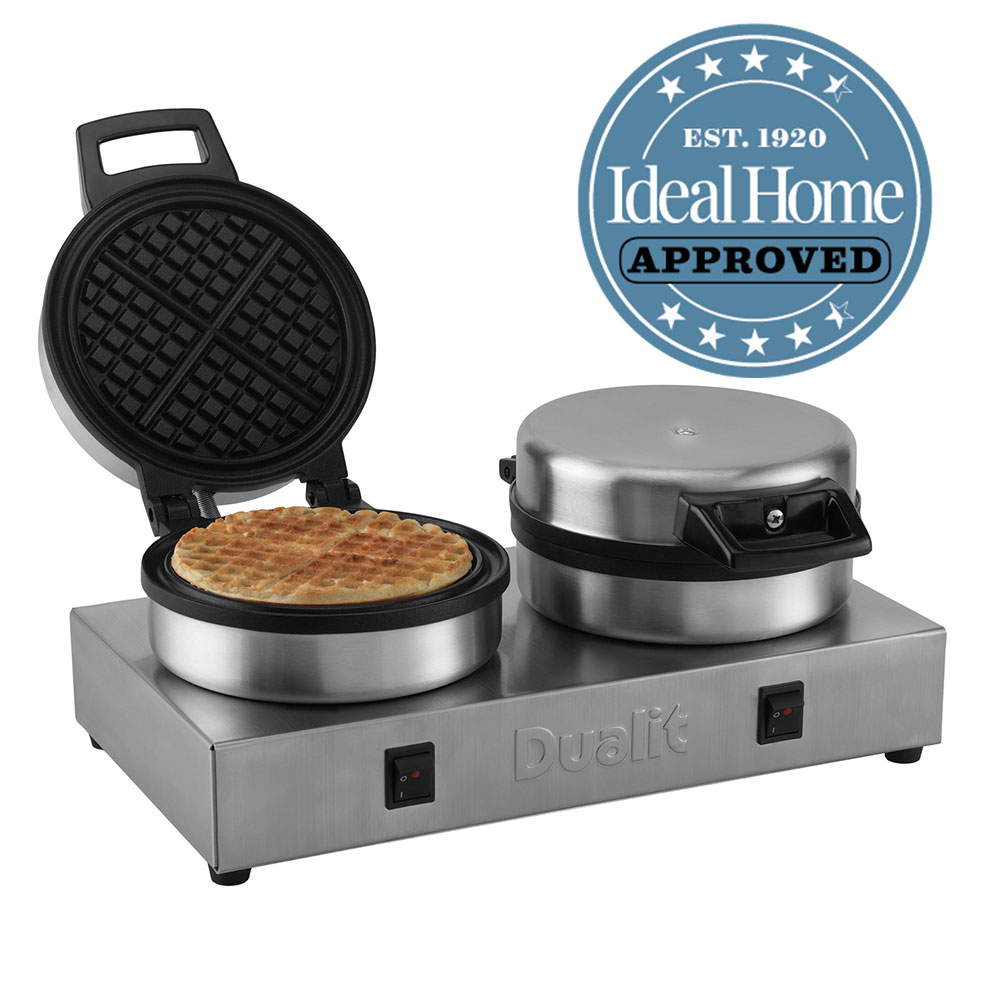
Why Your Nonstick Coating is Your Waffle’s Best Friend
Before we dive into the nitty-gritty of cleaning, let’s take a moment to appreciate what that slick surface actually does. A nonstick coating, typically made from a PTFE-based material (like Teflon) or a ceramic alternative, is engineered to have an incredibly low coefficient of friction. In plain English? It makes the surface so slippery that food—in our case, delicious waffle batter—can’t easily grab onto it.
This is crucial for two reasons:
- The Perfect Release: It allows your perfectly cooked waffle to lift out effortlessly, intact, with all its beautiful pockets and crisp edges. No more broken waffle tragedies.
- Effortless Cleanup: When nothing sticks, cleaning becomes a simple wipe-down rather than a heavy-duty scrubbing session.
Think of it like a seasoned cast-iron skillet, but for your waffle maker. A well-maintained coating is the key to consistent, photo-worthy results every single time. Neglect it, and you’ll quickly find your waffles sticking, tearing, and burning.
The Golden Rules: The Dos and Don’ts of Nonstick Care
Learning how to care for a nonstick coating is less about hard work and more about smart habits. Follow these golden rules, and your nonstick plates will thank you with years of faithful service.
The “Do” List: Your Path to Nonstick Nirvana
- Do Season It Before First Use: Just like cast iron, a little initial prep goes a long way. Gently wash the new plates with mild soap and water, dry them completely, and then lightly brush a thin layer of a neutral oil (like canola or vegetable oil) onto the nonstick surface. Heat the waffle maker for a few minutes, then let it cool and wipe away any excess oil. This fills in microscopic pores and creates an even slicker surface.
- Do Use the Right Tools: Silicone, nylon, or wooden utensils are your only friends here. They are gentle and won’t scratch the delicate coating. My go-to is a soft-tipped silicone spatula for nudging out any stubborn corners.
- Do Let It Cool Down: Always, always let your waffle maker cool completely before cleaning. Subjecting a hot surface to cold water can cause thermal shock, which can warp the plates and damage the nonstick coating over time.
- Do Use a Soft Cloth or Sponge: A simple damp microfiber cloth or a soft sponge is all you need for 99% of cleanups.
- Do Clean After Every Use: Don’t let grease and tiny crumbs build up. A quick wipe-down while the memory of fresh waffles is still in the air prevents residue from baking on during the next use, which is a major cause of sticking.
The “Don’t” List: Common Mistakes That Destroy Waffle Makers
- Don’t Use Metal Utensils: This is the number one sin. Forks, knives, or metal spatulas will scratch and chip the coating, creating spots where batter will stick like glue. Once it’s scratched, there’s no going back.
- Don’t Use Abrasive Cleaners: Say no to steel wool, scouring pads, and harsh chemical cleaners. These will strip the nonstick coating right off the plates.
- Don’t Use Aerosol Cooking Sprays: This might be surprising, but most aerosol sprays contain propellants and emulsifiers that don’t burn off during cooking. Over time, they build up into a sticky, gummy residue that’s nearly impossible to remove and will ruin your nonstick surface. Instead, use a pastry brush to apply a thin layer of melted butter or oil.
- Don’t Submerge Your Waffle Maker: Unless your model has removable plates that are explicitly marked as dishwasher-safe, never submerge the main unit in water. It’s an electrical appliance, after all!
How Do You Clean a Waffle Maker Properly?
The best way to clean a waffle maker is to do it gently and consistently. Once it has cooled down completely, use a soft, damp cloth or paper towel to wipe away any oil and crumbs from the nonstick plates and the exterior.
For a more detailed clean, follow these simple steps:
- Unplug and Cool: Safety first! Make sure the appliance is unplugged and totally cool to the touch.
- Brush Away Crumbs: Use a soft-bristled pastry brush or even a clean, dry toothbrush to gently sweep out any dry crumbs from the waffle grid.
- Wipe the Grids: Take a damp microfiber cloth or a soft sponge (with a drop of mild dish soap, if necessary) and carefully wipe the inside of the grids. Be thorough and get into all the little squares.
- Tackle Stubborn Spots: For any cooked-on batter, don’t scrape! Instead, dampen a paper towel with cooking oil and let it sit on the spot for 5-10 minutes. This will soften the residue, making it easy to wipe away. For really tough gunk, a paste of baking soda and water can work wonders. Apply the paste, let it sit, and then gently scrub with a non-abrasive sponge.
- Rinse and Dry: Use a separate, clean damp cloth to “rinse” away any soap or baking soda residue. Finally, wipe everything down with a dry cloth to prevent water spots or rust. Pay special attention to the drip tray if your model has one.
Key Features That Make Caring for a Nonstick Coating Easier
If you’re in the market for a new machine, thinking about cleanup from the start can save you a lot of headaches. As the Waffle Master, I’ve seen it all, and some features are non-negotiable for an easy-care experience.
According to Chef Isabella Rossi, a renowned culinary equipment specialist, “The longevity of a nonstick appliance is 50% the quality of the coating and 50% the habits of the user. Choosing a machine with features like removable plates dramatically simplifies proper care, encouraging the good habits that make a waffle maker last a lifetime.”
Look for these game-changing features:
- Removable, Dishwasher-Safe Plates: This is the holy grail of easy cleaning. Being able to pop the plates off and put them in the dishwasher (or just wash them easily in the sink) is a massive convenience. The Cuisinart Double Belgian Waffle Maker is a great example of a model that gets this right.
- A High-Quality Coating: Not all nonstick is created equal. Look for brands that tout durable, multi-layer PFOA-free coatings or high-quality ceramic surfaces. They tend to be more resistant to scratches and last longer.
- Deep Grids and an Overflow Channel (Drip Tray): A well-designed “moat” or drip tray catches any excess batter before it bakes onto the outside of your machine. This means you’re only cleaning the plates, not the entire countertop.
- Indicator Lights and Browning Control: While not directly related to cleaning, these features prevent you from opening the maker too early (which can cause tearing and sticking) or burning the waffle, which creates a much bigger mess.
Frequently Asked Questions (FAQ)
Q: Can I use aerosol cooking spray on my nonstick waffle maker?
A: It’s highly recommended that you avoid aerosol cooking sprays. They contain additives that create a sticky buildup over time, which compromises the nonstick surface. A better method is to brush on a thin layer of melted butter or a neutral oil.
Q: How often should I deep clean my waffle maker?
A: A simple wipe-down should be done after every use. A “deep clean” using the baking soda paste method should only be necessary if you have significant, stubborn, baked-on residue. With proper daily care, you may never need to do it.
Q: What’s the best way to store my waffle maker to protect the coating?
A: Store your waffle maker in a locked, upright position if the design allows. If you store it flat, consider placing a layer of paper towel or a soft cloth between the plates to protect the surfaces from accidentally scratching each other.
Q: Is a scratched nonstick coating dangerous to use?
A: Most modern, PFOA-free nonstick coatings are considered safe even if they have minor scratches, as the material is inert. However, a scratched surface will no longer be nonstick, leading to frustrating cooking experiences. If the coating is actively flaking off, it’s time to replace the appliance.
Q: Do I need to season my waffle maker every time I use it?
A: No, you only need to season it before its very first use. After that, the small amount of fat or oil from your waffle batter (or the oil you brush on) will be sufficient to maintain the nonstick properties.
Your Waffles Deserve the Best
At the end of the day, your waffle maker is an investment in happiness. It’s a tool for creating joy, comfort, and delicious memories. Mastering how to care for a nonstick coating is the single most important thing you can do to protect that investment. It’s a simple routine of gentle cleaning and smart habits that pays off with every single perfect, golden, and effortlessly-released waffle. Treat your waffle maker with a little respect, and it will reward you with glorious breakfasts for years to come.
What’s your go-to waffle recipe or a favorite tip for keeping your machine in top shape? Share your wisdom in the comments below! And if you’re looking for a new waffle maker with a truly durable, easy-to-clean coating, check out our guide to the Best Waffle Makers of 2024.