Welcome, fellow waffle enthusiast! There’s a special kind of magic that comes from a cast iron waffle maker. It’s the sizzle of the batter hitting the hot iron, the weight of a tool built to last generations, and that unbeatable crispy-on-the-outside, fluffy-on-the-inside texture. But after a glorious weekend breakfast, you’re often left with a daunting question: How To Clean A Cast Iron Waffle Maker without ruining that precious, hard-earned seasoning? Don’t you worry. As the Waffle Master here at Waffle Maker Guide, I’m going to walk you through the entire process. Forget scrubbing and harsh soaps; we’re going to treat your cast iron with the respect it deserves, ensuring it serves you perfect waffles for years, even decades, to come.
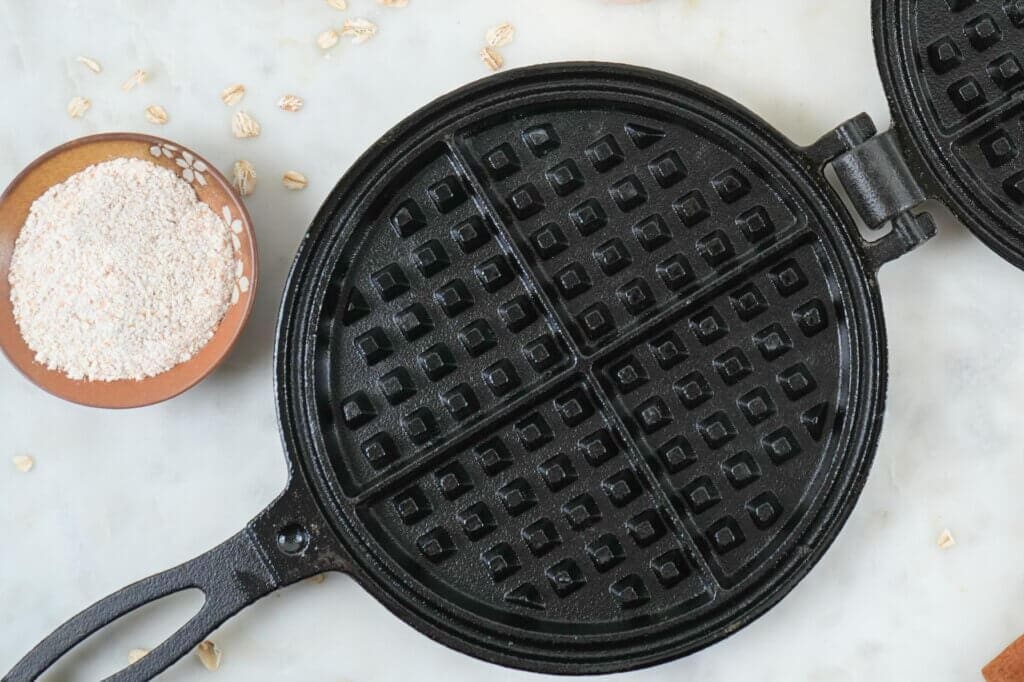
Why Cleaning Cast Iron is Different (And So Important)
Before we grab our tools, let’s talk about the why. A cast iron waffle maker isn’t like its modern, non-stick cousins. Its non-stick power comes from a layer of polymerized oil called “seasoning.” This is a delicate, natural surface you’ve built up over time. The goal of cleaning isn’t to scrub it back to bare metal; it’s to gently remove food debris while preserving and even strengthening that seasoning.
Proper cleaning will:
- Prevent rust from forming.
- Stop old, burnt bits from tainting the flavor of your next batch.
- Build a slicker, more non-stick surface over time.
- Ensure your waffle maker lasts long enough to be passed down to your kids.
Think of it less as “cleaning” and more as “maintenance.”
|
Our Picks for the Best Waffle Maker in 2025
As an Amazon Associate, we earn from qualifying purchases.
|
||
| Num | Product | Action |
|---|---|---|
| 1 | Car Mini Waffle Maker- Xmas Gift for Him- Make 7 Different Race Cars Trucks & Automobile Vehicle Shaped Pancakes for Kids Adults- Electric Waffler Iron w Recipe Guide, NonStick Pan Cake Baker Machine |

|
| 2 | CROWNFUL Mini Waffle Maker, 4\" Chaffle Maker with Compact Design, Easy to Clean, Non-Stick Surface, Recipe Guide Included, Perfect for Breakfast, Dessert, Sandwich, or Other Snacks |
|
| 3 | MasterChef Bubble Waffle Maker- Electric Non stick Hong Kong Egg Waffler Iron Griddle w FREE Recipe Guide- Ready in under 5 Minutes |
|
| 4 | DASH Mini Waffle Maker - 4” Waffle Mold, Nonstick Waffle Iron with Quick Heat-Up, Nonstick Surface - Perfect Mini Waffle Maker for Kids and Families, Just Add Batter (Red) |
|
| 5 | BELLA 17175 Bubble Maker w, Rapid Quickly Make Fluffy 9” Authentic Hong Kong Breakfast or Dessert, Healthy-Eco Non Stick Coating, Easy to Clean Waffle Iron, 120 Volts, Cone Rack Included, White |
|
| 6 | Chefman Rotating Belgian Waffle Maker, 180° Flip Iron w/ Non-Stick Plates, Adjustable Timer, Locking Lid, & Drip Plate, Space Saving Storage, Mess-Free Breakfast, Stainless Steel/Black |
|
| 7 | Bubble Waffle Maker- Electric Non stick Hong Kong Egg Waffler Iron Griddle w/Ready Indicator Light- Ready in under 5 Mins- Recipe Guide Included, Make Delicious Ice Cream Cones for Xmas Gift or Treat |
|
| 8 | CROWNFUL Mini Waffle Maker, 4\" Chaffle Maker with Compact Design, Easy to Clean, Non-Stick Surface, Recipe Guide Included, Perfect for Breakfast, Dessert, Sandwich, or Other Snacks |
|
| 9 | DASH Multimaker Mini System - Waffle Maker with Six 4” Removable Plates: Waffle Iron & Griddle, 4-in-1 Mini Waffle Maker for Kids and Families – Nonstick Surface, Just Add Batter (Aqua) |
|
| 10 | Ninja BW1001 NeverStick PRO Belgian Waffle Maker, Vertical Design, 5 Shade Settings, with Precision-Pour Cup & Chef-curated Recipe Guide, Black & Silver |
|
The Essential Step-by-Step Guide: How to Clean a Cast Iron Waffle Maker
Ready to get that waffle iron looking its best? Let’s do this. The key words here are gentle and thorough.
What You’ll Need:
- A soft-bristled brush (a nylon dish brush or even a designated toothbrush works great)
- Paper towels or a soft cloth
- A bit of coarse salt (like kosher salt), optional for tough spots
- A small amount of neutral cooking oil for re-seasoning (like vegetable, canola, or grapeseed oil)
Step 1: Let It Cool Down… But Not Completely
The sweet spot for cleaning is when the waffle maker is warm, but not hot enough to burn you. A warm iron helps release any sugary bits or cooked-on batter much more easily than a cold one. Never, ever plunge a hot cast iron waffle maker into cold water—this can cause thermal shock and crack the iron.
Step 2: The First Pass – The Dry Wipe
Start by taking a few folded paper towels and simply wiping out the interior grids. You’ll be surprised how much loose debris and excess oil this removes. Use the soft brush to gently flick out any crumbs from the deep grooves of your Belgian or classic waffle plates.
Step 3: Tackling the Stubborn Stuff
Did a bit of batter get a little too friendly with the iron? It happens to the best of us. This is where you can use a few gentle tricks:
- The Steam Clean: For slightly stuck-on messes, place a thoroughly damp, folded paper towel inside the warm waffle maker and close the lid for a few minutes. The steam created will soften the gunk, making it easy to wipe away.
- The Soft Scrape: For more baked-on bits, use a tool that won’t scratch the iron. A wooden chopstick, a plastic pan scraper, or even the edge of an old credit card can be used to gently pry off the residue. Never use metal utensils like a knife or fork.
Step 4: The Salt Scrub (For Serious Messes Only)
If you’re dealing with a truly stubborn, carbonized mess, it’s time to bring in the salt. Make a paste with a tablespoon of coarse salt and a few drops of water. Apply this paste to the problem areas and gently scrub with your soft brush. The salt acts as a mild abrasive that can lift the burnt-on food without stripping your seasoning. Once done, wipe all the salt out thoroughly with a clean, dry paper towel.
“Treat your cast iron like a living thing,” says Chef Isabella Rossi, author of ‘The Breakfast Bible.’ “Feed it with oil, clean it with kindness, and it will feed you delicious waffles for a lifetime. Harsh soaps are its worst enemy.”
Step 5: Dry, Dry, and Dry Again
Moisture is the mortal enemy of cast iron, leading directly to rust. After wiping everything out, you need to ensure the waffle maker is bone dry. You can do this by placing it back on the stovetop over low heat for 5-10 minutes. The heat will evaporate any lingering moisture from the pores of the iron.
Step 6: The Final, Crucial Touch – Re-Seasoning
This is the step that separates the rookies from the pros. Every time you clean your cast iron, you should apply a very thin layer of new oil to protect it.
- While the iron is still warm from drying, pour a tiny amount of your chosen oil (about half a teaspoon) onto the plates.
- Using a paper towel, rub the oil all over the interior surfaces, getting into every nook and cranny.
- Keep wiping until the surface no longer looks greasy or wet, just has a nice satin sheen. The goal is a micro-thin layer.
- Heat the waffle maker on low for another 5-10 minutes to help the oil bond to the iron. Then, let it cool completely before storing.
This simple act reinforces the seasoning and gets your waffle maker primed and ready for your next perfect batch.
Common Mistakes to Avoid When Cleaning Cast Iron
To keep your waffle maker in peak condition, please promise me you’ll avoid these common pitfalls:
- Never use dish soap. It’s designed to strip away grease and oil, which is exactly what your seasoning is made of.
- Never use steel wool, metal scourers, or other harsh abrasive tools. They will scratch the iron and completely remove the seasoning.
- Never let it soak in the sink. Prolonged exposure to water is a one-way ticket to a rust-covered disaster.
- Never put it in the dishwasher. This is the fastest way to destroy a piece of cast iron cookware.
Frequently Asked Questions (FAQ)
Here are some of the questions I hear all the time from our readers at Waffle Maker Guide.
Q: What should I do if my cast iron waffle maker gets rusty?
A: Don’t panic! It’s fixable. You’ll need to use steel wool to scrub off all the rust, wash it with a little soap and water (this is the only time soap is okay), dry it immediately and thoroughly, and then perform a full re-seasoning process, which involves applying oil and baking it in the oven. It’s a bit of work, but it will bring it back to life.
Q: How often do I need to re-season my waffle maker?
A: You should do a light “maintenance” seasoning, as described in Step 6, after every single cleaning. A full, in-the-oven re-seasoning is only necessary if you’ve had to scrub it down to the bare metal to remove rust or a caked-on disaster.
Q: What’s that black stuff flaking off my cast iron? Is it dangerous?
A: That black residue is most likely carbonized food bits or weakened seasoning. It’s not harmful, but it’s not pleasant either. It’s a sign that you need to give your waffle maker a good, gentle cleaning and re-seasoning to smooth out the surface.
Q: Can I use cooking spray on my cast iron waffle maker?
A: It’s generally not recommended. Cooking sprays contain emulsifiers and other additives that can build up over time, creating a sticky, gummy residue that is very difficult to remove and can interfere with the natural seasoning. Stick to brushing on a light layer of oil or melted butter.
Q: I just bought a vintage cast iron waffle maker. What’s the first thing I should do?
A: Congratulations! That’s a fantastic find. With a vintage piece, it’s best to assume you need to start fresh. I would recommend stripping it completely (there are many online guides for this, often using a lye bath or self-cleaning oven cycle) and then building up your own beautiful layers of seasoning from scratch. It’s a project, but it’s so worth it.
Your Partner for Perfect Waffles
There you have it. The complete guide on how to clean a cast iron waffle maker properly. It might seem like a lot of steps at first, but once you get into the rhythm, it becomes a quick and satisfying ritual. This small investment of time after each use is the secret to a non-stick surface that chemical coatings can only dream of, and a kitchen tool that becomes a cherished family heirloom.
Now go on, make some incredible waffles, and clean up with confidence! And if you have any of your own time-tested tips, be sure to share them in the comments below. We’re all in this delicious journey together. For more tips, tricks, and reviews, be sure to explore the rest of our articles at Waffle Maker Guide.