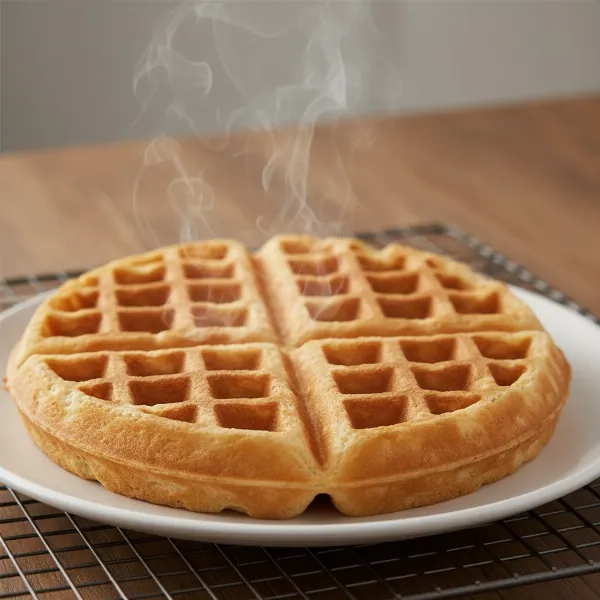
Tired of the endless struggle to achieve that perfectly folded, delightfully fluffy omelet in a frying pan? Many home cooks know the frustration: uneven cooking, sticky pans, and the dreaded flip that turns a beautiful omelet into a scrambled mess. But what if there was a simpler, more consistent way to create airy, restaurant-quality omelets right in your own kitchen? Enter the versatile waffle maker, a surprising hero that can revolutionize your breakfast routine and deliver consistently fluffy eggs with minimal effort and no flipping required.
The Unexpected Versatility of Your Waffle Maker
While traditionally celebrated for its ability to churn out golden, crispy waffles, the humble waffle maker is a true multi-tasker in the modern kitchen. Its dual-heated plates and unique grid design create an ideal environment for cooking a variety of dishes, including eggs. This often-overlooked potential allows you to explore creative culinary avenues, transforming everyday meals into exciting experiences.
Crafting Perfect Fluffy Omelets in Your Waffle Maker
Making omelets in a waffle maker isn’t just a hack; it’s a superior method for achieving consistent results and incredible fluffiness. The even heat distribution and enclosed cooking environment work wonders for eggs, guaranteeing a uniformly cooked omelet without the constant hovering and flipping.
Preparing Your Ingredients
|
Our Picks for the Best Waffle maker in 2026
As an Amazon Associate I earn from qualifying purchases.
|
||
| Num | Product | Action |
|---|---|---|
| 1 | Cuisinart Waffle Maker, 1250W Round Classic Waffle Iron, 5-Setting Adjustable Browning Control, WMR-CAP2, Brushed Stainless |

|
| 2 | KRUPS 4-Slice Belgian Waffle Maker: Stainless Steel, 5 Browning Levels, Audible Ready Beep, Removable Plates, 1200W, Silver/Black, Large Waffle Maker Family Size, Great for Family Breakfasts |
|
| 3 | OSTBA Waffle Maker, 2 Slice Non-Stick Waffle Iron, Belgian Waffle Machine with Indicator Lights, PFOA Free, Perfect for Breakfast and Snacks, 750W |
|
| 4 | Cuisinart Waffle Maker, 1250W Round Classic Waffle Iron, 5-Setting Adjustable Browning Control, WMR-CANAS, Brushed Stainless |
|
| 5 | Waffle Maker, Rotating Belgian Waffle Maker, 180° Flip Waffle Iron, Non-Stick Plate, Adjustable Browning Control, Foldable Cool Touch Handle, Removable Drip Tray, Space Saving Storage, Stainless Steel |
|
| 6 | Dash Mini Waffle Maker- Compact Electric Iron for Creative Homemade Treats - Nonstick Surface - Easy-to-Clean - Perfect for Kids & Families - Aqua |
|
| 7 | Dash No-Drip Waffle Maker - Quad Waffle Maker for Hassle-Free Breakfasts - Dual Nonstick Heating Plates & Quick Heat-Up System - Easy-Release Surface - Silver |
|
| 8 | Elite Gourmet EWM015MX Electric Nonstick 4.5-inch Mini Waffle Maker, Belgian Waffles, Compact Design, Hash Browns, Keto, Snacks, Sandwich, Eggs, Easy to Clean, Mint |
|
| 9 | Cuisinart Round Flip Belgian Waffle Maker, Black/Silver, 1 inch thick, WAF-F30NAS |
|
| 10 | bella Classic Rotating Belgian Waffle Maker with Nonstick Plates, Removable Drip Tray, Adjustable Browning Control and Cool Touch Handles, Black |
|
The foundation of any great omelet begins with the eggs themselves. For extra fluffy results, start by whisking your eggs vigorously in a bowl. Incorporating air during this process is key to achieving that coveted light texture. Consider adding a splash of milk, cream, or even a tablespoon of cottage cheese to the egg mixture for added richness and a tender crumb.
Next, prepare your desired fillings. The beauty of waffle maker omelets lies in their customizability. Dice your favorite vegetables like bell peppers, onions, and mushrooms, or pre-cook meats such as ham, bacon, or sausage. Shredded cheese is a classic addition that melts beautifully into the waffle grooves. Remember to keep your add-ins finely chopped and not to overdo the quantity to prevent spillage.
Preheating and Greasing Your Waffle Maker
Before introducing your egg mixture, proper preparation of your waffle maker is crucial. Always preheat your waffle maker according to the manufacturer’s instructions. Most models will have an indicator light that signals when it’s ready. Once hot, generously spray both the top and bottom cooking plates with a non-stick cooking spray or brush lightly with oil. Even if your waffle maker boasts a non-stick coating, this extra step ensures easy release and prevents any sticking.
Pouring and Cooking
Once your waffle maker is hot and greased, it’s time for the magic to happen. Carefully pour the egg mixture into the center of the bottom plate. The amount will depend on the size of your waffle maker, but generally, use enough to fill the main grid without overflowing when the lid is closed. Many recipes suggest around 1/4 to 1/2 cup of egg mixture per standard waffle section, or approximately two eggs per omelet.
Gently close the lid. Do not force it down if the eggs start to puff up; the omelet will naturally expand as it cooks. Cook for approximately 2 to 5 minutes. The exact time will vary based on your waffle maker’s wattage and your desired doneness. Look for visual cues: the omelet should be golden brown, puffy, and cooked through, often pulling away from the edges of the plates.
Tips for Extra Fluffy Omelets
- Whisk with Vigor: The more air you incorporate into your eggs before cooking, the fluffier your omelet will be. Use a whisk or fork and beat the eggs until slightly frothy.
- Add a Dairy Boost: A tablespoon of milk, cream, or even a dollop of cottage cheese or Greek yogurt can contribute to a lighter, more tender omelet texture.
- Mind the Heat: While preheating is important, cooking at a medium or slightly lower setting can sometimes yield fluffier results, allowing the eggs to rise more gently without browning too quickly.
- Don’t Overfill: Overfilling can lead to dense, unevenly cooked omelets and messy spills. Stick to the recommended amount for your waffle maker.
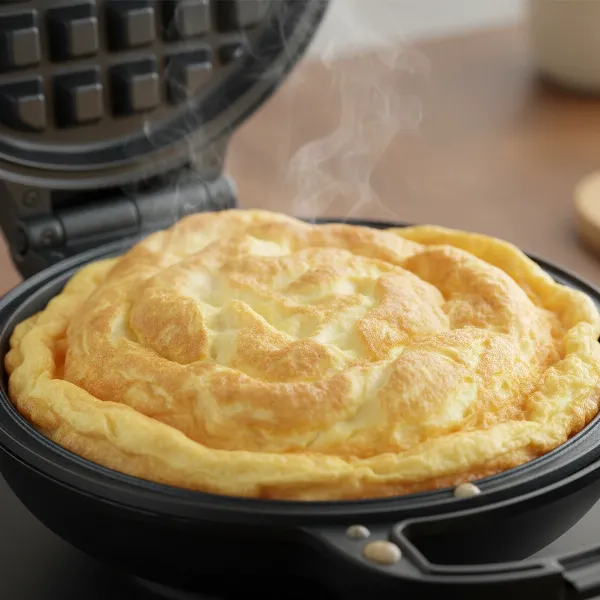 Close-up of eggs cooking in a waffle maker, showing the fluffy texture and steam.
Why Waffle Maker Omelets Are a Game-Changer
Switching to a waffle maker for your omelets offers numerous advantages that make breakfast, brunch, or even a quick dinner much more enjoyable.
No-Flip, No-Fuss Cooking
Perhaps the most significant benefit is the elimination of the dreaded omelet flip. The dual heating plates cook both sides simultaneously, ensuring an evenly cooked omelet without any risk of tearing or breaking. This hands-off approach frees you to prepare other elements of your meal.
Quick and Convenient
For busy mornings, speed and convenience are paramount. Waffle maker omelets cook rapidly, often in under five minutes, making them an ideal choice when time is short. The quick cleanup, thanks to non-stick surfaces, further adds to their appeal.
Kid-Friendly and Fun
The unique waffle shape transforms a simple omelet into an exciting meal, especially for children. The deep pockets are perfect for holding extra cheese, syrup, or dips, making breakfast more interactive and appealing for picky eaters.
Versatile and Customizable
Just like traditional omelets, the waffle maker version is endlessly adaptable. From savory breakfast creations to light lunch options, you can experiment with a wide array of fillings, cheeses, and seasonings to suit any palate or dietary preference.
Common Mistakes to Avoid for Waffle Maker Omelets
Even with such a straightforward method, a few common pitfalls can hinder your waffle omelet success. Being aware of these can help you avoid unnecessary frustration.
Overfilling
The most frequent mistake is pouring too much egg mixture into the waffle maker. Eggs expand as they cook, and overfilling will lead to messy spills out the sides, requiring extra cleanup and potentially an unevenly cooked omelet. Start with a conservative amount, usually enough to just cover the bottom grid, and adjust as needed.
Not Greasing Properly
While most waffle makers have non-stick surfaces, eggs can still adhere, especially if there’s any residue or if the coating is worn. Always apply a liberal coating of cooking spray or oil to both plates before adding the egg mixture to ensure a clean release.
Opening Too Soon
Patience is a virtue when cooking waffle omelets. Opening the lid too early can disrupt the cooking process, causing the omelet to deflate or stick. Wait until the cooking indicator light signals completion, or until steaming subsides and the edges appear set and golden.
Too High Heat
Setting your waffle maker to its highest heat can result in overly browned or even burnt exteriors while the inside remains undercooked. A medium heat setting is often best, allowing the eggs to cook through evenly and achieve a light, fluffy texture without scorching.
Waffle Maker Omelet Recipe Ideas
Here are a few simple ideas to get you started, demonstrating the incredible versatility of waffle maker omelets.
Classic Cheese & Ham Omelet Waffles
Whisk 2-3 eggs with a tablespoon of milk, salt, and pepper. Stir in 1/4 cup shredded cheddar cheese and 2 tablespoons finely diced cooked ham. Cook in a preheated, greased waffle maker for 3-4 minutes until golden and set.
Veggie Delight Omelet Waffles
Combine 2-3 whisked eggs with a splash of water, salt, and pepper. Fold in 1/4 cup finely chopped bell peppers, spinach, and mushrooms. Cook as directed above. Serve with a sprinkle of fresh herbs.
Spicy Mexican Omelet Waffles
Whisk 2-3 eggs with a pinch of chili powder, cumin, salt, and pepper. Mix in 2 tablespoons of drained Mexican bean mix, 1/4 cup shredded Monterey Jack cheese, and 1 tablespoon finely chopped cilantro. Cook until set and golden. Top with salsa, avocado, or sour cream.
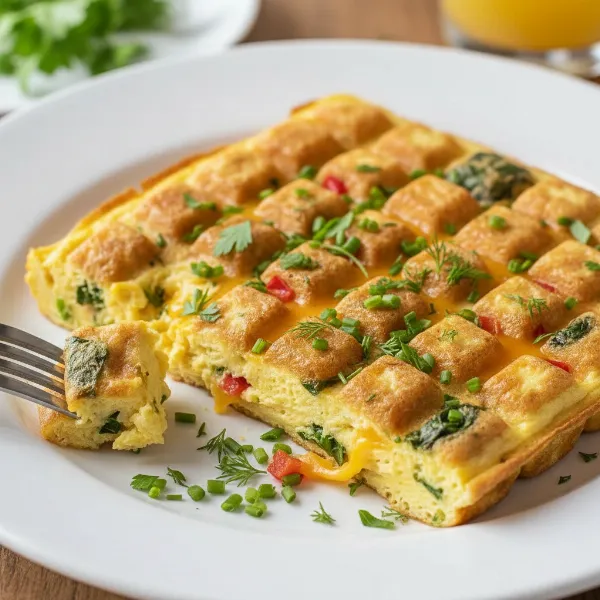 Delicious, perfectly cooked waffle maker omelet with fillings on a plate, ready to eat.
Cleaning and Maintenance for Your Waffle Maker
Maintaining your waffle maker’s non-stick surface is key to consistent omelet success and easy cleanup. After each use, allow the appliance to cool completely. Use a soft brush or a damp cloth to gently remove any stuck-on bits of egg or cheese. For more stubborn areas, a silicone spatula can help. Avoid abrasive cleaners or metal utensils, which can damage the non-stick coating. If your waffle maker has removable plates, cleaning becomes even easier as they can often be washed in the sink or dishwasher.
Conclusion
The waffle maker is far more than a one-trick pony; it’s a game-changing tool for making effortlessly fluffy and perfectly cooked omelets. By simply whisking your eggs, adding your favorite fillings, and letting the waffle maker do the work, you can create delightful, customized meals that are quick, convenient, and surprisingly mess-free. Say goodbye to unevenly cooked eggs and tricky flips, and embrace the ease and deliciousness of waffle maker omelets. Isn’t it time to rethink your breakfast routine and give this innovative method a try?
Frequently Asked Questions
Can you cook raw eggs directly in a waffle maker?
Yes, you can cook raw, whisked eggs directly in a preheated and greased waffle maker. The direct heat from the plates cooks the eggs thoroughly from both sides, much like a griddle.
How do I prevent my waffle maker omelet from sticking?
To prevent sticking, always preheat your waffle maker and generously coat both the top and bottom cooking plates with non-stick cooking spray or a thin layer of oil before adding the egg mixture.
What kind of waffle maker is best for making omelets?
Most standard electric waffle makers, including Belgian and classic models, work well for omelets. Waffle makers with non-stick coatings and adjustable temperature settings are particularly convenient for optimal results and easy cleanup.
How many eggs should I use for one waffle maker omelet?
Typically, 2-3 large eggs are sufficient for one standard-sized waffle maker omelet, depending on the size of your waffle maker and whether you add other fillings. Avoid overfilling to prevent spills.
Can I add vegetables and cheese to my waffle maker omelets?
Absolutely! Diced vegetables, cooked meats, and shredded cheeses are excellent additions to waffle maker omelets. Just ensure any denser ingredients are finely chopped or pre-cooked to ensure even cooking.
How do waffle maker omelets compare to traditional pan-fried omelets in terms of texture?
Waffle Maker omelets tend to be notably fluffier due to the enclosed cooking environment and the way the egg mixture rises into the grooves. They offer a unique, satisfying texture that’s often lighter and airier than pan-fried versions, without the need for intricate folding techniques.