There’s a certain magic to a perfect weekend morning, isn’t there? For me, it starts with the rich, sweet aroma of waffle batter hitting a hot iron, a sound and smell that promises a golden-brown, fluffy-on-the-inside, crispy-on-the-outside masterpiece. But we’ve all been there: that moment of dread when you lift the lid, and half of your beautiful waffle is stubbornly stuck to the plate. It’s a culinary tragedy. The secret to avoiding this heartbreak often comes down to one crucial element: the cooking surface. Today, we’re diving deep into the question, What Is A Ceramic Nonstick Surface, and why it might just be the best thing to happen to your waffle maker since, well, waffles.
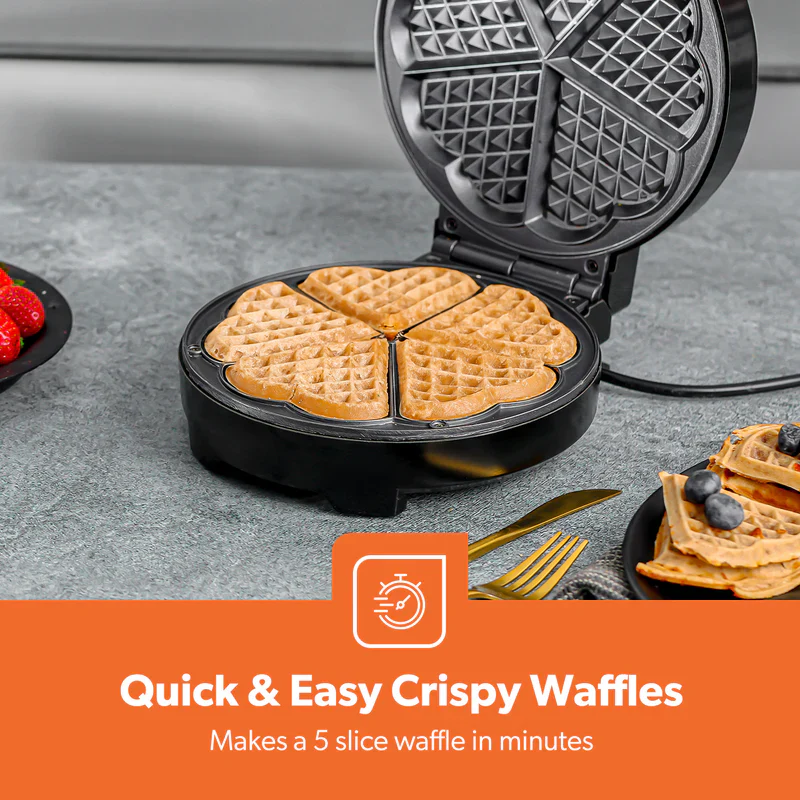
The Heart of Your Waffle Maker: Why the Cooking Surface Matters
Before we get into the nitty-gritty of ceramics, let’s establish a core truth: the plates of your waffle maker are everything. They are the point of contact, the stage where batter transforms into breakfast perfection. An inferior surface leads to sticking, uneven browning, and a cleanup job that makes you question your life choices. A great surface, however, ensures:
- Effortless Release: Your waffles slide right off, intact and beautiful.
- Even Heat Distribution: No sad, pale spots or burnt edges. Just consistent, golden-brown excellence.
- Easy Cleanup: A quick wipe-down is often all you need, getting you to the eating part faster.
For years, traditional nonstick (often using PTFE, the chemical compound in Teflon) was the only game in town. But a new player has been gaining serious traction in the kitchens of home cooks and pros alike: ceramic nonstick.
So, What is a Ceramic Nonstick Surface, Really?
When you hear “ceramic,” you might picture a clay pot or a coffee mug. But in the world of cookware, it’s a bit more high-tech. Let’s clear up some common misconceptions.
It’s Not Your Grandmother’s Pottery
A ceramic nonstick coating isn’t made from traditional clay. Instead, it’s created using a process called the sol-gel process. In simple terms, it involves suspending inorganic minerals—essentially, a derivative of sand—in a gel-like solution that is sprayed onto the aluminum or steel base of the waffle plates. This coating is then cured at a high temperature, bonding it to the metal and creating an extremely hard, slick, glass-like surface.
Think of it less like pottery and more like a layer of hardened, super-smooth sand protecting your waffle plates. It’s this unique composition that gives it its distinct advantages over older nonstick technologies.
How Does It Compare to Traditional Nonstick (PTFE)?
This is the big question for anyone shopping for a new appliance. While both aim to prevent food from sticking, they get there in very different ways, with significant implications for your cooking and your peace of mind.
| Feature | Ceramic Nonstick | Traditional Nonstick (PTFE/Teflon) |
|---|---|---|
| Composition | Sand-derived (inorganic minerals) via sol-gel process. | A synthetic polymer (Polytetrafluoroethylene). |
| Health & Safety | Free of PTFE, PFOA, PFAS, lead, and cadmium. | Modern versions are PFOA-free, but still contain PTFE. |
| Heat Tolerance | Very high. Can withstand temperatures up to 800°F (425°C) without releasing fumes. | Lower. Can begin to degrade and release fumes above 500°F (260°C). |
| Performance | Excellent heat conductor, promoting even browning. | Good nonstick properties, but can develop hot spots over time. |
| Durability | Generally more resistant to scratches from non-metal utensils. | Can be easily scratched by metal utensils, which can compromise the surface. |
| Environmental Impact | The manufacturing process is generally considered more eco-friendly. | Based on synthetic chemicals with a more complex manufacturing process. |
|
Our Picks for the Best Waffle Maker in 2025
As an Amazon Associate, we earn from qualifying purchases.
|
||
| Num | Product | Action |
|---|---|---|
| 1 | Ninja BW1001 NeverStick PRO Belgian Waffle Maker, Vertical Design, 5 Shade Settings, with Precision-Pour Cup & Chef-curated Recipe Guide, Black & Silver |

|
| 2 | BELLA 17175 Bubble Maker w, Rapid Quickly Make Fluffy 9” Authentic Hong Kong Breakfast or Dessert, Healthy-Eco Non Stick Coating, Easy to Clean Waffle Iron, 120 Volts, Cone Rack Included, White |
|
| 3 | CROWNFUL Mini Waffle Maker, 4\" Chaffle Maker with Compact Design, Easy to Clean, Non-Stick Surface, Recipe Guide Included, Perfect for Breakfast, Dessert, Sandwich, or Other Snacks |
|
| 4 | Chefman Rotating Belgian Waffle Maker, 180° Flip Iron w/ Non-Stick Plates, Adjustable Timer, Locking Lid, & Drip Plate, Space Saving Storage, Mess-Free Breakfast, Stainless Steel/Black |
|
| 5 | Bubble Waffle Maker- Electric Non stick Hong Kong Egg Waffler Iron Griddle w/Ready Indicator Light- Ready in under 5 Mins- Recipe Guide Included, Make Delicious Ice Cream Cones for Xmas Gift or Treat |
|
| 6 | Car Mini Waffle Maker- Xmas Gift for Him- Make 7 Different Race Cars Trucks & Automobile Vehicle Shaped Pancakes for Kids Adults- Electric Waffler Iron w Recipe Guide, NonStick Pan Cake Baker Machine |
|
| 7 | CROWNFUL Mini Waffle Maker, 4\" Chaffle Maker with Compact Design, Easy to Clean, Non-Stick Surface, Recipe Guide Included, Perfect for Breakfast, Dessert, Sandwich, or Other Snacks |
|
| 8 | DASH Multimaker Mini System - Waffle Maker with Six 4” Removable Plates: Waffle Iron & Griddle, 4-in-1 Mini Waffle Maker for Kids and Families – Nonstick Surface, Just Add Batter (Aqua) |
|
| 9 | DASH Mini Waffle Maker - 4” Waffle Mold, Nonstick Waffle Iron with Quick Heat-Up, Nonstick Surface - Perfect Mini Waffle Maker for Kids and Families, Just Add Batter (Red) |
|
| 10 | MasterChef Bubble Waffle Maker- Electric Non stick Hong Kong Egg Waffler Iron Griddle w FREE Recipe Guide- Ready in under 5 Minutes |
|
Why Choose a Waffle Maker with a Ceramic Nonstick Surface?
Okay, the science is cool, but what does this mean for your Sunday brunch? Choosing a waffle maker with a quality ceramic nonstick surface translates into real-world benefits that you’ll appreciate every time you use it.
- Superior Heat Performance for That Perfect Golden-Brown: Ceramic is an excellent conductor of heat. This means the entire surface of your waffle plate heats up evenly and stays hot, which is the secret to getting that consistent, edge-to-edge golden color and satisfying crunch.
- Health and Peace of Mind: This is a big one for many families. Because ceramic coatings are free from controversial chemicals like PFOA and PFAS, you can make waffles for your loved ones without worrying about what might be leaching into your food, even at high heat.
- Durability and Scratch Resistance: Let’s be real, kitchen tools take a beating. A ceramic surface is harder than traditional nonstick, making it more resistant to minor scratches and abrasions. While you should still avoid metal utensils, it offers a more robust defense against everyday wear and tear.
- Effortless Cleanup: The super-slick surface means leftover batter and caramelized sugar have nowhere to hide. Most of the time, a simple wipe with a damp cloth after the machine has cooled is all it takes. No more soaking or scrubbing required.
“The key to a perfect waffle isn’t just in the batter; it’s in the consistent heat transfer that only a quality cooking surface can provide. Ceramic’s ability to distribute heat evenly is a game-changer for achieving that ideal crispy exterior and fluffy interior.” – Chef Isabella Rossi, Pastry and Baking Expert.
Putting It Into Practice: Tips for Your Ceramic Waffle Maker
Owning a ceramic waffle maker is a joy, and with a little care, you can keep it performing like new for years.
- Skip the Cooking Spray: You don’t need it! The surface is already incredibly nonstick. Aerosol cooking sprays can build up on the surface over time, creating a gummy residue that actually reduces the nonstick performance. If you want extra flavor or richness, a light brush of melted butter or oil is a much better choice.
- Use the Right Tools: Protect your investment. Always use silicone, nylon, or wooden utensils to remove your waffles. Never use metal knives or forks, as they can scratch even the toughest ceramic coating.
- Master the Cleaning Process: The golden rule is to let it cool down completely before cleaning. Wiping a hot surface can cause thermal shock and damage the coating.
- Once cool, use a soft, damp cloth or sponge to wipe away any crumbs.
- For any stubborn bits, use a soft-bristled brush and a little warm, soapy water.
- Rinse thoroughly (if the plates are removable) or wipe clean with a fresh damp cloth.
- Always dry completely before storing.
Beyond the Surface: Other Key Features to Consider
While understanding what is a ceramic nonstick surface is a massive step towards picking the perfect machine, it’s one part of the whole waffle-making ecosystem. Keep these other features in mind:
- Belgian vs. Classic: Are you a fan of deep pockets perfect for holding pools of syrup (Belgian), or do you prefer the thinner, crispier traditional style (Classic)?
- Flip vs. Standard: Flip-style waffle makers are championed for promoting even batter distribution, leading to perfectly formed waffles every time.
- Browning Control: An adjustable thermostat or browning control dial is a must-have. It lets you customize the cook from light and soft to dark and crispy, pleasing everyone at the breakfast table.
- Removable Plates & Drip Tray: These are heroes of easy cleanup. Being able to pop the plates out and wash them in the sink is a luxury you won’t want to live without. An overflow channel or drip tray is essential for catching any excess batter.
Frequently Asked Questions (FAQ)
Q: Is a ceramic nonstick surface genuinely safer than Teflon?
A: Yes, in the sense that it contains no PTFE, PFOA, or PFAS. It is stable at much higher temperatures and won’t release potentially harmful fumes if accidentally overheated, offering greater peace of mind.
Q: How long does a ceramic nonstick surface last?
A: With proper care (avoiding metal utensils, high heat when empty, and abrasive cleaning), a high-quality ceramic coating can last for several years. Its lifespan is comparable to, and often longer than, traditional nonstick surfaces.
Q: Can I use oil or butter on a ceramic waffle maker?
A: Absolutely. While not always necessary for nonstick purposes, a little melted butter or a high-smoke-point oil (like coconut or avocado oil) can enhance the flavor and crispiness of your waffles. Just apply it with a silicone brush.
Q: What is the best way to clean stuck-on batter from a ceramic surface?
A: After letting the unit cool, make a paste of baking soda and water. Apply it to the tough spot, let it sit for 15-30 minutes, and then gently scrub with a non-abrasive sponge or soft brush. It should lift the residue without harming the coating.
Q: Are waffle makers with a ceramic nonstick surface more expensive?
A: They can sometimes be slightly more expensive than their basic PTFE counterparts, but the price gap has narrowed significantly. Considering the benefits in performance, durability, and health, many users find the small extra investment to be well worth it.
The Final Verdict
So, what is a ceramic nonstick surface? It’s more than just a feature; it’s an upgrade to your entire waffle-making experience. It’s a modern, high-performance, and health-conscious choice that delivers on the promise of perfect, hassle-free waffles. By investing in a machine with a quality ceramic coating, you’re not just buying an appliance—you’re investing in countless delicious mornings, effortless cleanup, and the simple joy of a meal made beautifully. Now, who’s ready for breakfast?