Ever wonder how to get those perfectly thick, fluffy, golden-brown Belgian waffles you see at brunch spots? The kind that are crispy on the outside, light and airy on the inside, and evenly cooked from edge to edge? Let’s be real, we’ve all had a homemade waffle that was a little… sad. Maybe it was dense in the middle or squished flat. The secret weapon you might be missing isn’t just in the batter. The answer to What Is A Floating Hinge is the key to unlocking waffle perfection, and today, we’re diving deep into this unsung hero of the kitchen. It’s a small feature that makes a world of difference.
So, What Is a Floating Hinge, Exactly?
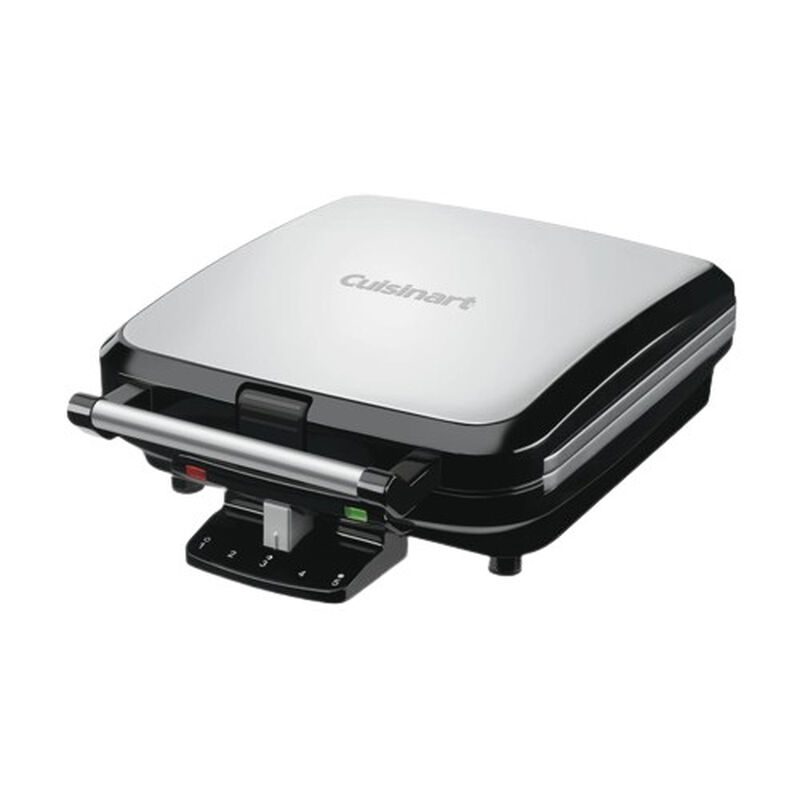
A floating hinge is a clever mechanical design feature on a waffle maker (or a panini press) that allows the top lid to move vertically, adjusting automatically to the thickness of the food inside. Instead of a fixed pivot point like a standard door hinge, it “floats” up and down, ensuring the top plate remains parallel to the bottom plate, regardless of how much your waffle batter rises.
Think of it like this: a regular hinge is like the spine of a thin paperback book. When you close it over something thick, it angles awkwardly. A floating hinge, on the other hand, is like the adjustable arm of a desk lamp. It can lift straight up and down, keeping the top and bottom surfaces level. This simple but brilliant mechanism is what separates a good waffle maker from a great one.
According to kitchen appliance expert Chef Isabella Rossi, “The key to a perfect Belgian waffle isn’t just the recipe; it’s uniform heat contact. A floating hinge allows the batter to expand naturally, ensuring that both the top and bottom cook evenly without compression. It’s the difference between a waffle and a masterpiece.”
Why This Humble Hinge is Your Waffle’s Best Friend
Okay, so it moves. Big deal, right? Wrong! This movement is critical for the science of a perfect waffle. Here’s why a what is a floating hinge query should be at the top of your list when shopping for a new appliance.
- Even Rising for Fluffy Goodness: As waffle batter cooks, it releases steam and rises. A fixed hinge will press down on the center of the waffle, compressing it and forcing the batter to ooze out the sides. A floating hinge gives the batter room to breathe and expand upwards, resulting in a waffle that’s uniformly thick and incredibly light. No more dense, doughy centers!
- Consistent Browning: Because the top plate stays perfectly parallel to the bottom one, it maintains even contact with the entire surface of the waffle. This means no more waffles that are burnt in the middle and pale around the edges. You get that beautiful, consistent golden-brown color every single time. Combine this with a good browning control setting, and you’re in total command.
- The Belgian Waffle’s Soulmate: This feature is especially crucial for making authentic Belgian waffles. Their deep pockets and thicker profile require significant room to expand. A waffle maker with a floating hinge is practically a prerequisite for achieving that signature Belgian texture.
- No More Squeeze-Out: When a lid presses down at an angle, it shoves the uncooked batter forward and out of the machine. The parallel closure of a floating hinge minimizes this messy problem, keeping the batter where it belongs: inside the grids. This means less cleanup for you, especially if your machine also has a handy drip tray.
Do You Always Need a Floating Hinge?
Honestly? For most people aiming for superior waffles, the answer is a resounding yes. However, if your heart belongs to the classic, American-style waffle—the thinner, less fluffy kind you might find at a diner—a standard hinge can get the job done. These waffles don’t rise as dramatically, so the compression from a fixed hinge isn’t as much of an issue.
But if you dream of thick, fluffy, cloud-like waffles, investing in a machine with a floating hinge is a non-negotiable. It’s one of those features that, once you’ve used it, you’ll wonder how you ever lived without it.
|
Our Picks for the Best Waffle Maker in 2025
As an Amazon Associate, we earn from qualifying purchases.
|
||
| Num | Product | Action |
|---|---|---|
| 1 | DASH Mini Waffle Maker - 4” Waffle Mold, Nonstick Waffle Iron with Quick Heat-Up, Nonstick Surface - Perfect Mini Waffle Maker for Kids and Families, Just Add Batter (Red) |

|
| 2 | Car Mini Waffle Maker- Xmas Gift for Him- Make 7 Different Race Cars Trucks & Automobile Vehicle Shaped Pancakes for Kids Adults- Electric Waffler Iron w Recipe Guide, NonStick Pan Cake Baker Machine |
|
| 3 | BELLA 17175 Bubble Maker w, Rapid Quickly Make Fluffy 9” Authentic Hong Kong Breakfast or Dessert, Healthy-Eco Non Stick Coating, Easy to Clean Waffle Iron, 120 Volts, Cone Rack Included, White |
|
| 4 | Chefman Rotating Belgian Waffle Maker, 180° Flip Iron w/ Non-Stick Plates, Adjustable Timer, Locking Lid, & Drip Plate, Space Saving Storage, Mess-Free Breakfast, Stainless Steel/Black |
|
| 5 | CROWNFUL Mini Waffle Maker, 4\" Chaffle Maker with Compact Design, Easy to Clean, Non-Stick Surface, Recipe Guide Included, Perfect for Breakfast, Dessert, Sandwich, or Other Snacks |
|
| 6 | MasterChef Bubble Waffle Maker- Electric Non stick Hong Kong Egg Waffler Iron Griddle w FREE Recipe Guide- Ready in under 5 Minutes |
|
| 7 | Ninja BW1001 NeverStick PRO Belgian Waffle Maker, Vertical Design, 5 Shade Settings, with Precision-Pour Cup & Chef-curated Recipe Guide, Black & Silver |
|
| 8 | Bubble Waffle Maker- Electric Non stick Hong Kong Egg Waffler Iron Griddle w/Ready Indicator Light- Ready in under 5 Mins- Recipe Guide Included, Make Delicious Ice Cream Cones for Xmas Gift or Treat |
|
| 9 | DASH Multimaker Mini System - Waffle Maker with Six 4” Removable Plates: Waffle Iron & Griddle, 4-in-1 Mini Waffle Maker for Kids and Families – Nonstick Surface, Just Add Batter (Aqua) |
|
| 10 | CROWNFUL Mini Waffle Maker, 4\" Chaffle Maker with Compact Design, Easy to Clean, Non-Stick Surface, Recipe Guide Included, Perfect for Breakfast, Dessert, Sandwich, or Other Snacks |
|
Beyond the Hinge: Other Features to Look For
While the hinge is a hero, it’s part of a team. To find your perfect waffle-making sidekick, consider these other essential features:
- Removable, Non-Stick Plates: This is a game-changer for cleanup. Being able to pop the plates off and wash them in the sink (or even the dishwasher) is infinitely easier than trying to scrub a bulky appliance. Look for high-quality, PFOA-free non-stick plates.
- Adjustable Browning Control: Everyone has their preference, from lightly golden to deep, dark brown and crispy. A dial with multiple settings gives you precise control over the final result.
- Indicator Lights and Audio Alerts: Simple “ready to cook” and “ready to eat” alerts take the guesswork out of the process, preventing you from opening the lid too early or leaving the waffle in for too long.
- Deep Grids: Especially for Belgian waffles, you want deep pockets to hold all that delicious butter, syrup, or fruit.
- A Drip Tray: Even with a floating hinge, occasional overflow can happen. A built-in or wraparound drip tray makes cleanup a breeze.
- Flip vs. Standard Design: Flip waffle makers are praised for promoting even batter distribution. When you pour the batter in and flip it 180 degrees, gravity helps it fill every nook and cranny of the grids.
A Quick Comparison of Top Waffle Maker Features
| Feature | Importance for Belgian Waffles | Importance for Classic Waffles | Why It Matters |
|---|---|---|---|
| Floating Hinge | Crucial | Helpful | Allows for even rising and uniform browning. |
| Browning Control | Crucial | Crucial | Customizes the crispiness and color to your liking. |
| Removable Plates | Highly Recommended | Highly Recommended | Drastically simplifies the cleaning process. |
| Deep Grids | Crucial | Not Necessary | Essential for holding toppings and creating the classic Belgian style. |
| Drip Tray | Highly Recommended | Recommended | Catches any batter overflow, minimizing mess. |
How to Get the Most Out of Your Waffle Maker
You’ve got the machine, now let’s make some magic. Owning a great waffle maker is half the battle; using it correctly is the other half.
- Always Preheat: Don’t even think about pouring batter onto cold plates. Wait for the “ready to cook” indicator light to turn on. This ensures a crispy exterior from the moment the batter hits the iron.
- Grease Lightly: Even with non-stick plates, a light brush of melted butter or a quick spray of cooking oil before the first waffle can help with release and add to the crispiness.
- Don’t Overfill: This is the number one cause of messy overflow. Learn the perfect amount of batter for your specific machine—it’s usually enough to just cover the peaks of the grid on the bottom plate.
- Resist the Urge to Peek! Opening the lid mid-cook releases steam and lowers the temperature, which can lead to a soggy, torn waffle. Trust the indicator light or your machine’s timer.
- Cleaning is Key: Clean your waffle maker after it has cooled down. Use a soft-bristled brush or a damp cloth to wipe away crumbs. For removable plates, a simple wash with soap and water is usually all it takes. Never use abrasive scrubbers that could damage the non-stick coating.
Frequently Asked Questions (FAQ)
Here are some common questions we get about waffle makers and their features.
Q: What is a floating hinge on a waffle maker?
A: A floating hinge is a special type of hinge that allows the top lid of the waffle maker to lift straight up and stay parallel to the bottom plate. This accommodates the batter as it rises, ensuring the waffle cooks evenly without being compressed.
Q: Are waffle makers with floating hinges more expensive?
A: Generally, models with a floating hinge are found in the mid-to-high price range, as it’s considered a premium feature for achieving superior results, especially with Belgian waffles. However, the improved performance and consistency are well worth the investment for any serious waffle lover.
Q: Can I make thin, classic waffles in a Belgian waffle maker with a floating hinge?
A: Yes, you can! Simply use less batter and a recipe formulated for classic waffles. The floating hinge will still ensure even cooking, and the browning control will let you achieve the right crispiness. The waffle will just have deeper pockets than a traditional classic waffle.
Q: How do I know if a waffle maker has a floating hinge?
A: The product description will usually mention it explicitly, sometimes calling it an “adjustable” or “locking” lid. You can also often tell by looking at the back of the appliance; you’ll see a more complex hinge mechanism that allows for vertical movement, rather than a simple pin hinge.
Q: Besides waffles, what else can I use this feature for?
A: While designed for waffles, this mechanism is the same one found on high-quality panini presses and indoor grills. It’s excellent for grilling thick sandwiches or cuts of meat, as it provides even pressure and heat without squishing the contents.
The Final Verdict
So, what is a floating hinge? It’s not just a piece of hardware; it’s your ticket to waffle enlightenment. It’s the small but mighty feature that ensures your waffles rise to their full potential, cooking into the thick, fluffy, and evenly browned creations you’ve always craved. When you’re ready to elevate your breakfast game, look for a waffle maker with this essential feature. It truly makes all the difference.
Ready to find the perfect machine for your kitchen? Check out our in-depth reviews of the best waffle makers of 2024 and start your journey to the perfect weekend breakfast.