There’s nothing quite like it, is there? The moment that rich, sweet aroma of a freshly cooked waffle fills your kitchen. It’s the official scent of a perfect weekend morning. But let’s be honest, we’ve all been there: you lift the lid of your waffle maker with high hopes, only to find a waffle that’s… well, a bit sad. A little limp, a little pale, more steamed than toasted. If you’ve ever wondered what separates a good waffle from a truly great one, the answer might lie in a clever piece of engineering you’ve never heard of. So, What Is A Moisture Channel? It’s the unsung hero in the quest for waffle perfection, and today, we’re pulling back the curtain on this game-changing feature.
Unlocking the Secret: So, What Is a Moisture Channel Exactly?
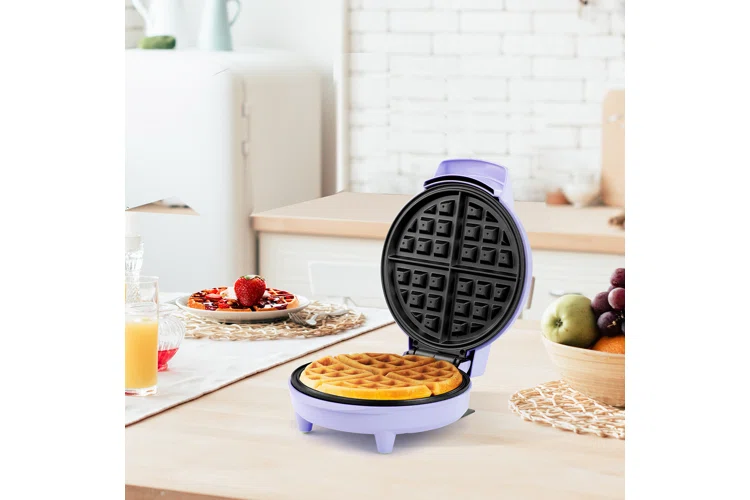
Simply put, a moisture channel is a purpose-built gap or moat that runs around the perimeter of a waffle maker’s cooking plates. Think of it as a dedicated exhaust system for your waffle. Its primary job is to allow steam, which is generated as the batter cooks, to escape from the cooking chamber efficiently.
When you pour liquid batter onto hot plates, a huge amount of steam is created almost instantly. If that steam has nowhere to go, it gets trapped inside the waffle maker. What happens next? The steam saturates the air and begins to, well, steam your waffle from the outside in. This is the number one culprit behind soggy, dense waffles. The moisture channel provides a clear escape route, ensuring the cooking environment stays hot and dry, which is crucial for achieving that beautiful, golden-brown crust.
Why a Moisture Channel is a Waffle Game-Changer
Okay, so it lets steam out. Big deal, right? Oh, it’s a huge deal. The presence of a well-designed moisture channel directly impacts the final texture and taste of your waffle in several glorious ways. It’s the difference between a waffle and a waffle experience.
- The Ultimate Crispy Exterior: This is the main event. By whisking away steam, the moisture channel allows the hot plates to make direct, dry contact with the batter. This process, known as the Maillard reaction, is what creates that deeply satisfying, crispy, golden-brown crust we all crave. Without it, you’re essentially just steaming the dough.
- A Light, Fluffy Interior: It seems counterintuitive, but letting moisture out actually helps keep the inside fluffy. When the exterior crisps up quickly, it forms a structure that allows the interior to cook through perfectly, expanding into a light, airy, and tender center. A soggy exterior often leads to a dense, gummy interior.
- Consistent, Even Browning: Trapped steam can create hot spots and cool spots within the waffle maker, leading to uneven cooking. You might get a waffle that’s burnt in the middle and pale around the edges. A moisture channel helps regulate the temperature and environment, promoting beautifully even browning from edge to edge.
- No More Overflow Mess: While its primary job is steam, the moisture channel often doubles as an overflow moat. Did you get a little too enthusiastic with the batter? No problem. The channel catches the excess, cooking it into a crispy “waffle stick” that’s fun to snack on and saves you from a massive cleanup job on your countertop. This is a lifesaver!
As our friend and kitchen gadget expert, Chef Isabella Rossi, often says, “Perfect waffle texture is a science of steam management. The batter provides the potential, but the machine’s ability to release moisture is what unlocks the magic. A moisture channel isn’t a luxury; it’s a necessity for any serious waffle enthusiast.”
|
Our Picks for the Best Waffle Maker in 2025
As an Amazon Associate, we earn from qualifying purchases.
|
||
| Num | Product | Action |
|---|---|---|
| 1 | MasterChef Bubble Waffle Maker- Electric Non stick Hong Kong Egg Waffler Iron Griddle w FREE Recipe Guide- Ready in under 5 Minutes |

|
| 2 | Ninja BW1001 NeverStick PRO Belgian Waffle Maker, Vertical Design, 5 Shade Settings, with Precision-Pour Cup & Chef-curated Recipe Guide, Black & Silver |
|
| 3 | Bubble Waffle Maker- Electric Non stick Hong Kong Egg Waffler Iron Griddle w/Ready Indicator Light- Ready in under 5 Mins- Recipe Guide Included, Make Delicious Ice Cream Cones for Xmas Gift or Treat |
|
| 4 | CROWNFUL Mini Waffle Maker, 4\" Chaffle Maker with Compact Design, Easy to Clean, Non-Stick Surface, Recipe Guide Included, Perfect for Breakfast, Dessert, Sandwich, or Other Snacks |
|
| 5 | Car Mini Waffle Maker- Xmas Gift for Him- Make 7 Different Race Cars Trucks & Automobile Vehicle Shaped Pancakes for Kids Adults- Electric Waffler Iron w Recipe Guide, NonStick Pan Cake Baker Machine |
|
| 6 | BELLA 17175 Bubble Maker w, Rapid Quickly Make Fluffy 9” Authentic Hong Kong Breakfast or Dessert, Healthy-Eco Non Stick Coating, Easy to Clean Waffle Iron, 120 Volts, Cone Rack Included, White |
|
| 7 | CROWNFUL Mini Waffle Maker, 4\" Chaffle Maker with Compact Design, Easy to Clean, Non-Stick Surface, Recipe Guide Included, Perfect for Breakfast, Dessert, Sandwich, or Other Snacks |
|
| 8 | DASH Mini Waffle Maker - 4” Waffle Mold, Nonstick Waffle Iron with Quick Heat-Up, Nonstick Surface - Perfect Mini Waffle Maker for Kids and Families, Just Add Batter (Red) |
|
| 9 | DASH Multimaker Mini System - Waffle Maker with Six 4” Removable Plates: Waffle Iron & Griddle, 4-in-1 Mini Waffle Maker for Kids and Families – Nonstick Surface, Just Add Batter (Aqua) |
|
| 10 | Chefman Rotating Belgian Waffle Maker, 180° Flip Iron w/ Non-Stick Plates, Adjustable Timer, Locking Lid, & Drip Plate, Space Saving Storage, Mess-Free Breakfast, Stainless Steel/Black |
|
Does Your Waffle Maker Need This Feature?
Now for the million-dollar question: is this a must-have for everyone? Like most things in the kitchen, it depends on your waffle ambitions. Let’s break it down.
For the Waffle Purist: A Resounding Yes!
If you dream of deep-pocketed, restaurant-quality Belgian waffles with a crust that shatters when you press it with a fork, then yes, you absolutely want a waffle maker with a moisture channel. High-end models, especially those from brands like Breville and All-Clad, have perfected this feature because they know it’s essential for achieving that signature texture. For you, it’s a non-negotiable feature.
For the Casual Waffler: It’s a “Nice-to-Have”
If you’re more of a “classic American waffle” person or only break out the waffle maker a few times a year for the kids, you can probably get by without one. Standard, more budget-friendly waffle makers can still produce a tasty waffle. It may not have that same transcendent crispiness, but it will still be a delicious vehicle for butter and syrup. However, once you try a waffle made in a machine with a proper moisture channel, you might find it hard to go back.
Key Features to Look For Beyond the Moisture Channel
While the what is a moisture channel question is crucial, it’s just one piece of the puzzle. When you’re shopping for your next waffle maker, keep these other key features in mind to ensure you get the perfect machine for your needs.
- Adjustable Browning Control: This is essential. It lets you dial in the exact shade of golden-brown you prefer, from light and soft to dark and crispy. Look for a dial with at least 5-7 settings for maximum control.
- High-Quality Non-Stick Plates: A good non-stick surface is your best friend for easy waffle release and cleanup. Ceramic and cast iron are great but require more care, while high-quality PFOA-free coatings are the most common and convenient.
- Removable, Dishwasher-Safe Plates: This is the holy grail of convenience. Being able to pop the greasy plates right into the dishwasher transforms cleanup from a chore into a non-issue.
- Indicator Lights & Audio Alerts: A simple light or beep that tells you when the maker is preheated and when the waffle is done cooking takes all the guesswork out of the process.
- Flip vs. Standard Design: Flip waffle makers are praised for promoting even batter distribution, leading to a more uniformly cooked waffle. Standard vertical or horizontal models can also work great, but the flip design is often preferred by enthusiasts.
How Do You Use and Clean a Waffle Maker?
Getting a great machine is half the battle; using it correctly is the other half. Here’s a quick guide to waffle success.
For perfect waffles every time:
- Always Preheat: Never pour batter onto cold plates. Wait for that “ready” light to come on! This is critical for getting a good initial sear.
- Grease Accordingly: Even with non-stick plates, a light brushing of melted butter or a spritz of cooking oil helps ensure a perfect release and adds to the crispiness.
- Don’t Overfill: A good rule of thumb is to pour just enough batter to cover the central part of the lower grid. It will expand to fill the space. Use the moisture channel as your overflow insurance!
- Don’t Peek! Resist the urge to open the waffle maker mid-cook. This lets all the steam and heat escape, disrupting the cooking process and potentially tearing your waffle in half. Trust the indicator light.
For easy cleanup:
- Unplug and Cool Down: Never clean a hot waffle maker. Let it cool completely.
- Wipe Away Crumbs: Use a dry paper towel or a soft brush to sweep out any loose crumbs.
- Tackle a Stuck-On Mess: If you have some stubborn batter, dampen a paper towel, lay it on the grid, and close the lid for a few minutes. The steam will soften the mess, making it easy to wipe away.
- Wash Removable Plates: If you have them, simply pop them out and wash them with warm, soapy water or place them in the dishwasher.
Frequently Asked Questions (FAQ)
Q: Is a moisture channel the same as an overflow moat or drip tray?
A: Not exactly, though they often serve a dual purpose. A moisture channel is primarily designed for steam release. An overflow moat’s main job is to catch excess batter. Many high-end designs integrate both functions into a single, wide channel around the cooking plates.
Q: Can you use pancake mix in a waffle maker?
A: You can, but it won’t be ideal. Waffle batter typically has more sugar for caramelization (browning) and more fat (like oil or melted butter) for a crispy texture. Pancake mix will produce a softer, more cake-like waffle.
Q: Why are my waffles sticking to the non-stick plates?
A: This usually happens for two reasons. First, you might have residue from cooking spray building up. Avoid aerosol sprays with lecithin, which can become gummy. Second, the non-stick coating may be worn down. It might be time for a new machine.
Q: Do I need to season my waffle maker like a cast iron pan?
A: For most modern waffle makers with non-stick coatings, no. However, if you have a traditional cast iron waffle iron, then yes, it will need to be seasoned properly with oil and heat to create a natural non-stick surface.
Q: Is a flip waffle maker really better?
A: Many people swear by them! The flipping action uses gravity to ensure the batter coats both the top and bottom plates evenly and quickly. This often results in a more uniform shape and texture, but great waffles can be made in high-quality standard models as well.
Your Journey to Waffle Perfection Starts Here
So, what is a moisture channel? It’s more than just a feature; it’s your ticket to a superior waffle. It’s the engineering secret that turns a potentially soggy breakfast into a crispy, fluffy, golden-brown masterpiece. While it might seem like a small detail, it has a massive impact on the final result.
Whether you’re a seasoned waffle connoisseur or just beginning your journey, understanding the importance of features like this empowers you to choose the right tool for the job. Now that you’re armed with this knowledge, you can confidently find a waffle maker that will transform your weekend mornings.
Have you experienced the difference a moisture channel makes? Share your stories and favorite waffle maker features in the comments below! We’d love to hear from you.