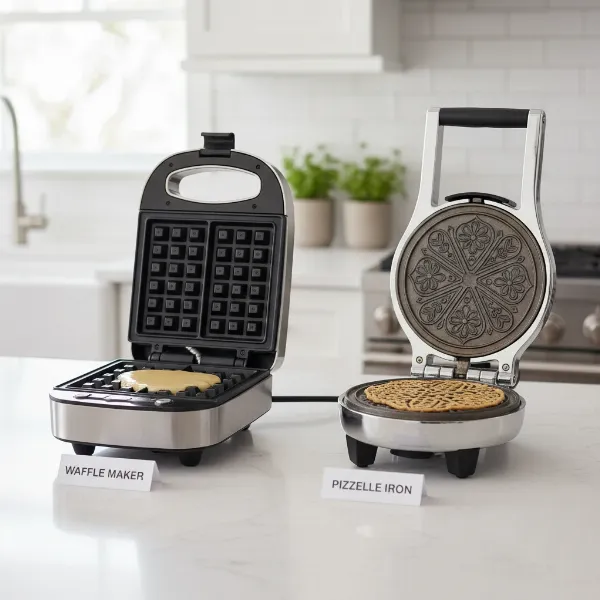
The delightful aroma of freshly made waffles evokes warmth and comfort, making a quality waffle maker an essential appliance for many kitchens. Yet, beneath the promise of golden-brown perfection lies a critical decision: the type of non-stick coating. With growing awareness of health and environmental concerns, the choice between ceramic and Teflon coatings has become a significant consideration for home cooks. This article delves into the nuances of each material, examining their safety profiles, performance characteristics, and overall impact, to help you make an informed decision for your kitchen and your family’s well-being.
Understanding Waffle Maker Coatings: Ceramic vs. Teflon
Waffle makers, whether for a quick breakfast or a gourmet brunch, rely on non-stick surfaces to deliver perfectly shaped waffles that release easily without tearing. Historically, non-stick technology has evolved significantly, leading to the two predominant types: Teflon (PTFE) and ceramic. Understanding their fundamental differences is key to evaluating their suitability and safety.
Teflon is the well-known brand name for polytetrafluoroethylene (PTFE), a synthetic fluoropolymer discovered in the 1930s. It revolutionized cooking with its unparalleled non-stick properties, making cleanup a breeze. For decades, PTFE cookware was manufactured using perfluorooctanoic acid (PFOA) as a processing aid, a chemical later linked to health and environmental concerns. While PFOA has largely been phased out of U.S. manufacturing since 2013, PTFE itself belongs to the broader category of per- and polyfluoroalkyl substances (PFAS), often referred to as “forever chemicals” due to their persistence in the environment and potential health impacts.
In contrast, ceramic non-stick coatings represent a newer generation, often marketed as a “green” or “non-toxic” alternative. These coatings are typically made from inorganic, natural materials like sand (specifically, silica-based sol-gel) that are applied over a metal base, usually aluminum. They are then cured at high temperatures to create a smooth, glass-like non-stick surface. Manufacturers of ceramic coatings emphasize their freedom from PTFE, PFOA, and other PFAS chemicals, positioning them as a healthier choice for environmentally conscious consumers. While “pure ceramic” cookware (made entirely of clay and fired in a kiln) exists, most “ceramic-coated” waffle makers feature this mineral-derived layer.
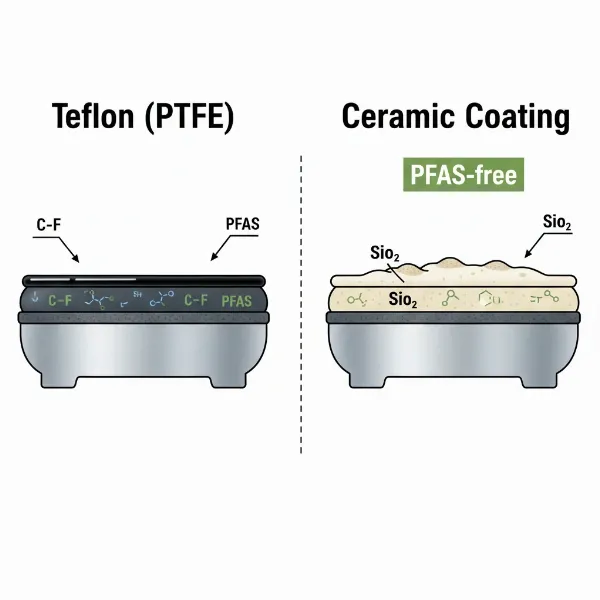 Side-by-side comparison of ceramic and teflon waffle maker coatings highlighting material differences.
The Critical Factor: Health and Safety
When it comes to appliances that come into direct contact with our food, safety is paramount. The debate between ceramic and Teflon coatings often centers on their potential health implications, particularly when exposed to heat or wear.
Teflon (PTFE) and High-Temperature Risks
|
Our Picks for the Best Waffle maker in 2026
As an Amazon Associate I earn from qualifying purchases.
|
||
| Num | Product | Action |
|---|---|---|
| 1 | Waffle Maker, Rotating Belgian Waffle Maker, 180° Flip Waffle Iron, Non-Stick Plate, Adjustable Browning Control, Foldable Cool Touch Handle, Removable Drip Tray, Space Saving Storage, Stainless Steel |

|
| 2 | Cuisinart Round Flip Belgian Waffle Maker, Black/Silver, 1 inch thick, WAF-F30NAS |
|
| 3 | Dash No-Drip Waffle Maker - Quad Waffle Maker for Hassle-Free Breakfasts - Dual Nonstick Heating Plates & Quick Heat-Up System - Easy-Release Surface - Silver |
|
| 4 | Elite Gourmet EWM015MX Electric Nonstick 4.5-inch Mini Waffle Maker, Belgian Waffles, Compact Design, Hash Browns, Keto, Snacks, Sandwich, Eggs, Easy to Clean, Mint |
|
| 5 | Cuisinart Waffle Maker, 1250W Round Classic Waffle Iron, 5-Setting Adjustable Browning Control, WMR-CAP2, Brushed Stainless |
|
| 6 | KRUPS 4-Slice Belgian Waffle Maker: Stainless Steel, 5 Browning Levels, Audible Ready Beep, Removable Plates, 1200W, Silver/Black, Large Waffle Maker Family Size, Great for Family Breakfasts |
|
| 7 | bella Classic Rotating Belgian Waffle Maker with Nonstick Plates, Removable Drip Tray, Adjustable Browning Control and Cool Touch Handles, Black |
|
| 8 | Dash Mini Waffle Maker- Compact Electric Iron for Creative Homemade Treats - Nonstick Surface - Easy-to-Clean - Perfect for Kids & Families - Aqua |
|
| 9 | Cuisinart Waffle Maker, 1250W Round Classic Waffle Iron, 5-Setting Adjustable Browning Control, WMR-CANAS, Brushed Stainless |
|
| 10 | OSTBA Waffle Maker, 2 Slice Non-Stick Waffle Iron, Belgian Waffle Machine with Indicator Lights, PFOA Free, Perfect for Breakfast and Snacks, 750W |
|
Despite advancements in manufacturing, Teflon (PTFE) coatings still pose potential risks, primarily when subjected to excessive heat. When PTFE is heated above approximately 500°F (260°C), the coating can begin to break down, releasing polymer fumes. Inhalation of these fumes can lead to “polymer fume fever,” a flu-like condition characterized by chills, fever, headache, and nausea. While typically temporary, repeated exposure is ill-advised.
“Using proper ventilation, like a kitchen hood or cracked window, helps minimize exposure to potential fumes from overheated PTFE cookware.”
A more serious concern for pet owners, especially those with birds, is the extreme sensitivity of avian respiratory systems to these fumes. Even at temperatures that might not immediately affect humans, these fumes can be lethal to birds. Furthermore, while modern PTFE is PFOA-free, it is still a PFAS chemical. The broader class of PFAS chemicals is under scrutiny for environmental persistence and potential long-term health effects, raising ongoing questions about cumulative exposure. Therefore, careful handling, adherence to medium-to-low heat settings, and ensuring good ventilation are crucial when using Teflon-coated waffle makers.
Ceramic Coatings: A Safer Alternative?
Ceramic non-stick coatings are widely promoted as a safer and healthier alternative to traditional Teflon. A significant advantage is their chemical composition; reputable ceramic coatings are explicitly made without PTFE, PFOA, or other PFAS chemicals. This means they do not release the same potentially harmful fumes when heated to high temperatures.
Ceramic coatings are notably more stable at elevated temperatures. They can typically withstand temperatures up to 800°F (426°C) without degrading or emitting toxic substances, offering a broader margin of safety for cooking. This stability makes them a preferred choice for individuals concerned about chemical leaching into food or fume inhalation. However, consumers should be diligent. The term “ceramic” can sometimes be broadly applied. It’s essential to look for explicit labels stating “PFAS-free” and understand that the safest ceramic coatings are typically silica-based or sand-based, baked onto the surface without synthetic bonding agents or solvents. Some “nano-titanium ceramic” coatings or those with hidden PFAS have raised concerns, underscoring the importance of choosing products from transparent and trustworthy brands.
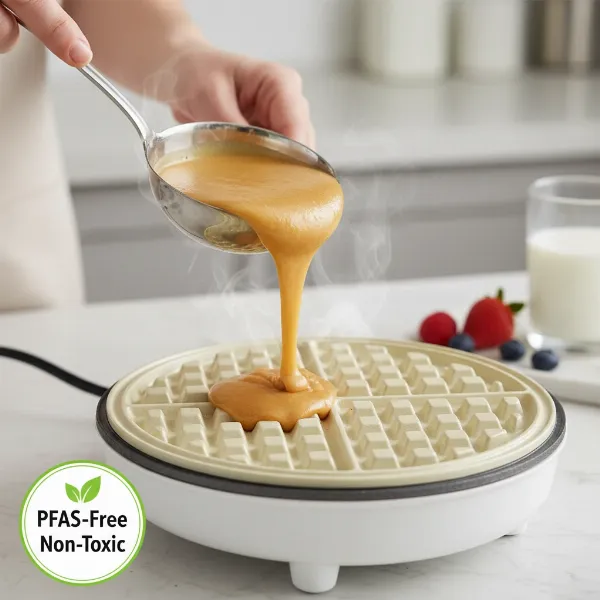 Close-up of a ceramic waffle maker plate with a "PFAS-Free" label, emphasizing safe cooking.
Beyond Safety: Performance, Durability, and Maintenance
While safety is a primary concern, the practical aspects of performance, durability, and ease of maintenance also play a significant role in the overall user experience of a waffle maker. Both ceramic and Teflon coatings have distinct characteristics in these areas.
Non-Stick Performance
When fresh out of the box, both ceramic and Teflon coatings offer excellent non-stick properties, allowing waffles to release effortlessly. However, their long-term performance can vary. Teflon (PTFE) is renowned for its exceptional slickness, which, with gentle use and adherence to lower temperatures, can last for several years. This makes it a go-to for delicate foods like crepes and, of course, perfect waffles.
Ceramic non-stick also starts impressively slick, ensuring easy release. However, some users report that ceramic coatings tend to lose their non-stick quality faster than Teflon, particularly if they are frequently overheated or subjected to abrasive cleaning. This degradation can manifest as increased sticking over time, requiring more oil or butter for consistent performance. The “non-stick” aspect of ceramic often relies on a slow release of silicone oil, which eventually depletes.
Durability and Lifespan
Durability is a key differentiator. Ceramic coatings, despite their hardness, can be more brittle and prone to chipping or scratching if mishandled. Metal utensils, sharp edges, or even stacking without protection can compromise the surface. Once a ceramic coating is chipped or deeply scratched, its non-stick properties are significantly diminished, and it may be time for replacement.
Teflon, while not invincible, is generally considered more forgiving against minor physical abrasions. However, deep scratches or flaking are major red flags, as damaged PTFE coatings can allow particles to get into food. For both types, the lifespan of a non-stick waffle maker is not indefinite. Most non-stick appliances, regardless of coating, are designed to last between one and five years, depending on frequency of use and care. Regular replacement is a common expectation for non-stick cookware to maintain optimal performance and safety.
Cleaning and Care
Proper care is essential for extending the life and maintaining the non-stick properties of any waffle maker. For both ceramic and Teflon, hand-washing with mild soap and a soft sponge is recommended. Abrasive cleaners, scouring pads, and harsh detergents should be avoided as they can damage the non-stick surface.
A critical tip for both types is to avoid aerosol cooking sprays. These sprays can leave behind a sticky residue that builds up over time, eventually compromising the non-stick performance and creating uneven cooking. Instead, a small amount of high-smoke-point oil or butter applied with a brush is far more effective and less damaging. Always ensure the waffle maker is completely cool before cleaning to prevent warping or sudden temperature changes that could affect the coating.
Making Your Choice: Which Waffle Maker is Right for You?
Choosing between a ceramic and Teflon-coated waffle maker ultimately depends on your priorities regarding health, performance, and maintenance. Both offer the convenience of non-stick cooking, but their underlying compositions and associated considerations differ significantly.
| Feature | Ceramic Coating | Teflon (PTFE) Coating |
|---|---|---|
| Primary Safety Concern | Durability/Longevity of non-stick | Fumes at high temperatures (>500°F), PFAS chemicals |
| Chemicals | PFAS-free, PFOA-free (for reputable brands) | Contains PTFE (a PFAS), PFOA-free since ~2013 |
| Heat Stability | Stable up to 800°F (426°C), no toxic fumes | Degrades >500°F (260°C), releases fumes (dangerous to birds) |
| Environmental Impact | Derived from natural materials (sand), eco-friendlier manufacturing | Synthetic chemicals, persistence of PFAS |
| Initial Non-Stick | Excellent | Excellent, often slightly slicker |
| Long-term Non-Stick | May degrade faster with frequent use/overheating | Retains slickness longer with careful, low-heat use |
| Durability | More brittle, prone to chipping/scratching | Generally more forgiving against minor abrasions |
| Care | Gentle cleaning, avoid abrasives | Gentle cleaning, avoid abrasives, crucial low-heat use |
Choose Ceramic if:
- PFAS-free cooking is your top priority. You want to completely avoid “forever chemicals” and any potential concerns related to high-temperature decomposition.
- You prioritize natural, mineral-derived materials. The idea of cooking on a surface made from sand appeals to your health-conscious lifestyle.
- You can commit to gentle handling and moderate heat. While more heat-stable, gentle use extends its non-stick lifespan.
Choose Teflon (PTFE) if:
- Maximum, long-lasting non-stick release is your main concern for foods that commonly stick.
- Budget and widespread availability are significant factors.
- You are diligent about using low to medium heat, ensuring good ventilation, and replacing the appliance at the first sign of damage. You understand and are committed to mitigating the known risks.
For those seeking the absolute purest option, traditional cast iron waffle makers, though typically not electric and requiring seasoning, offer an uncoated cooking surface that is free from any synthetic chemicals. However, they demand a different level of maintenance and cooking technique compared to electric non-stick models.
Conclusion
The choice between ceramic and Teflon coatings for your waffle maker is a balance between convenience, performance, and health considerations. While Teflon offers superior initial slickness and often greater durability under ideal conditions, its association with PFAS chemicals and potential fume release at high temperatures raises legitimate safety concerns. Ceramic coatings, particularly those that are explicitly PFAS-free and silica-based, present a compelling alternative, offering peace of mind regarding chemical exposure and greater heat stability.
Ultimately, the best waffle maker coating is one that aligns with your personal values and cooking habits. Prioritizing non-toxic materials may lead you to a high-quality ceramic model, while careful use of a modern, PFOA-free Teflon unit can still deliver excellent results. Regardless of your choice, understanding the properties of your waffle maker’s coating and adhering to proper care and usage instructions are essential for safe, delicious, and enjoyable waffle-making experiences for years to come. What coating characteristics are most important to you when selecting your next kitchen appliance?
Frequently Asked Questions
Are all ceramic waffle makers truly non-toxic and PFAS-free?
While many ceramic waffle makers are marketed as non-toxic and PFAS-free, it is crucial to verify the specific claims. Reputable brands use silica-based (sand-derived) ceramic coatings that are free from PTFE, PFOA, and other PFAS. Always look for explicit “PFAS-free” labeling, as some “ceramic” coatings may still contain questionable additives or nanoparticles if not from transparent manufacturers.
What is the safe temperature limit for Teflon (PTFE) waffle makers?
Teflon (PTFE) coatings should ideally not be heated above 500°F (260°C). Exceeding this temperature can cause the coating to break down and release fumes that may lead to flu-like symptoms in humans and can be extremely dangerous to birds. It is recommended to use Teflon waffle makers on low to medium heat settings and ensure good kitchen ventilation.
Do scratches on non-stick waffle makers make them unsafe?
Yes, scratches or damage to any non-stick coating, whether ceramic or Teflon, can make the waffle maker unsafe. Damaged surfaces can allow small particles of the coating to chip off and potentially mix with food. Additionally, the non-stick properties are compromised, and the underlying metal may be exposed. It’s advisable to replace any non-stick waffle maker with significant scratches, flaking, or peeling.
How can I extend the life of my non-stick waffle maker?
To extend the lifespan of your non-stick waffle maker, use only silicone or wooden utensils to prevent scratches, avoid abrasive cleaners and metal scouring pads, and always hand-wash with mild soap. Do not use aerosol cooking sprays, which can leave residue that degrades the non-stick surface. Always allow the appliance to cool completely before cleaning.
Are there any truly uncoated, non-toxic options for waffle makers?
Yes, traditional cast iron waffle makers offer a naturally non-stick surface once properly seasoned, and they are completely free of synthetic coatings. However, these are typically stovetop models, not electric, and require more maintenance, including regular seasoning, to maintain their non-stick properties and prevent rust.