Your trusty waffle maker has served countless delicious breakfasts, but now it’s seen better days – perhaps it’s sparked its last golden-brown batch, or simply stopped heating. Don’t just toss it in the trash! Disposing of electronic waste, even small kitchen appliances, improperly can harm our planet by contributing to landfills and releasing potentially hazardous materials. Understanding how to responsibly recycle your old, broken waffle maker is a crucial step towards a more sustainable lifestyle. This comprehensive guide will walk you through why proper disposal matters, what components your waffle maker contains, and the best options available to ensure it’s recycled efficiently and ethically.
The Environmental Imperative: Why Recycle Your Waffle Maker?
Throwing a broken waffle maker into your regular household trash might seem like the easiest solution, but it carries significant environmental consequences. Landfills are rapidly filling up, and appliances, even small ones, contribute to this growing waste problem. More importantly, waffle makers, like most small electronics, aren’t just inert objects; they contain a valuable mix of materials that can be salvaged and reused.
Inside your appliance, you’ll find metals like copper, aluminum, and steel, along with various plastics and electronic components. When these materials end up in a landfill, they are lost forever, preventing them from being repurposed. Recycling, on the other hand, allows these raw materials to re-enter the manufacturing cycle, reducing the need to extract new resources, conserving energy, and minimizing pollution associated with new production. It’s a simple act that makes a profound difference for our planet and future generations.
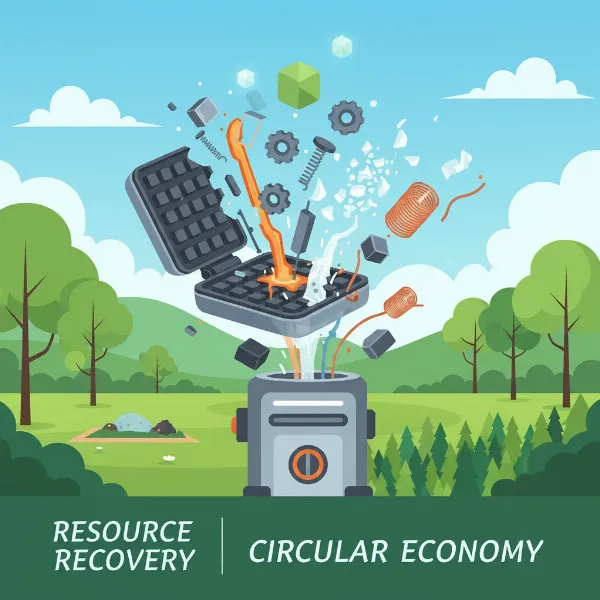 Illustration showing a broken waffle maker being recycled, symbolizing environmental benefits.
Understanding Your Waffle Maker’s Components for Recycling
Before delving into recycling methods, it’s helpful to understand what your waffle maker is typically made of. This knowledge informs why specialized recycling is necessary and not just tossing it into your curbside bin.
Most waffle makers are a blend of:
- Metals: The heating elements, internal wiring, and often the outer casing or internal structure are made from steel, aluminum, and copper. Copper, particularly found in power cords, is a highly valuable and endlessly recyclable material.
- Plastics: The exterior housing, handles, and control knobs are commonly made from various types of plastics. These plastics can be challenging to recycle if not properly sorted and processed.
- Electronic Components: The thermostat, indicator lights, and other control mechanisms contain printed circuit boards (PCBs) and other electronic parts. These components often contain trace amounts of precious metals and require specific e-waste processing.
- Non-stick Coating: The cooking plates usually have a non-stick coating (e.g., PTFE), which is integrated into the metal and generally not separable for recycling.
The combination of these diverse materials means that a waffle maker cannot be simply thrown into mixed recycling. It requires specialized facilities that can safely separate and process each material type.
Your Options for Recycling a Broken Waffle Maker
When your waffle maker bites the dust, you have several responsible avenues for disposal beyond the regular trash. Choosing the right one ensures its components are recovered and repurposed.
Dedicated E-Waste Recycling Centers
|
Our Picks for the Best Waffle maker in 2026
As an Amazon Associate I earn from qualifying purchases.
|
||
| Num | Product | Action |
|---|---|---|
| 1 | Dash No-Drip Waffle Maker - Quad Waffle Maker for Hassle-Free Breakfasts - Dual Nonstick Heating Plates & Quick Heat-Up System - Easy-Release Surface - Silver |

|
| 2 | Waffle Maker, Rotating Belgian Waffle Maker, 180° Flip Waffle Iron, Non-Stick Plate, Adjustable Browning Control, Foldable Cool Touch Handle, Removable Drip Tray, Space Saving Storage, Stainless Steel |
|
| 3 | Cuisinart Waffle Maker, 1250W Round Classic Waffle Iron, 5-Setting Adjustable Browning Control, WMR-CANAS, Brushed Stainless |
|
| 4 | Elite Gourmet EWM015MX Electric Nonstick 4.5-inch Mini Waffle Maker, Belgian Waffles, Compact Design, Hash Browns, Keto, Snacks, Sandwich, Eggs, Easy to Clean, Mint |
|
| 5 | Cuisinart Waffle Maker, 1250W Round Classic Waffle Iron, 5-Setting Adjustable Browning Control, WMR-CAP2, Brushed Stainless |
|
| 6 | OSTBA Waffle Maker, 2 Slice Non-Stick Waffle Iron, Belgian Waffle Machine with Indicator Lights, PFOA Free, Perfect for Breakfast and Snacks, 750W |
|
| 7 | KRUPS 4-Slice Belgian Waffle Maker: Stainless Steel, 5 Browning Levels, Audible Ready Beep, Removable Plates, 1200W, Silver/Black, Large Waffle Maker Family Size, Great for Family Breakfasts |
|
| 8 | Cuisinart Round Flip Belgian Waffle Maker, Black/Silver, 1 inch thick, WAF-F30NAS |
|
| 9 | bella Classic Rotating Belgian Waffle Maker with Nonstick Plates, Removable Drip Tray, Adjustable Browning Control and Cool Touch Handles, Black |
|
| 10 | Dash Mini Waffle Maker- Compact Electric Iron for Creative Homemade Treats - Nonstick Surface - Easy-to-Clean - Perfect for Kids & Families - Aqua |
|
The most effective and environmentally sound way to recycle a broken waffle maker is through a certified electronics recycling center, often referred to as an e-waste facility. These specialized centers are equipped to safely dismantle appliances, separate hazardous materials, and recover valuable components like metals and circuit boards. They ensure that materials are processed in an environmentally compliant manner, preventing contamination and maximizing resource recovery. A quick online search for “e-waste recycling near me” or “electronics disposal” should help you locate one in your area.
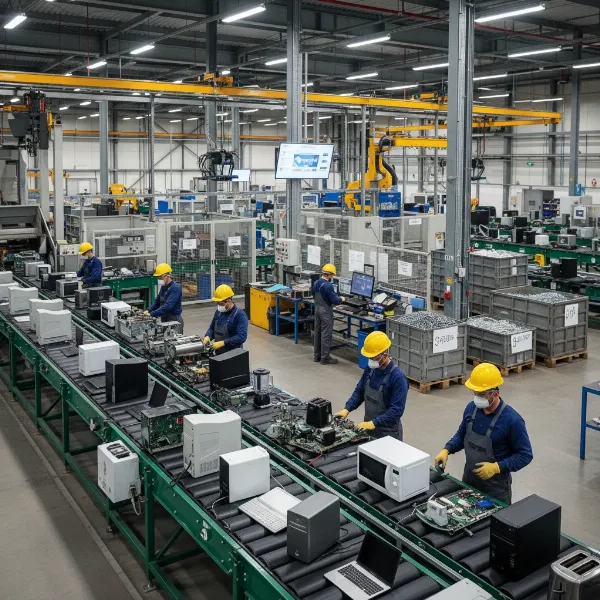 Image of an e-waste recycling facility with various electronic appliances being processed.
Local Scrap Metal Yards
Many waffle makers contain a significant amount of metal. Local scrap metal yards often accept small appliances, paying by the pound for the metal content. While a single waffle maker might not yield much cash, it’s a viable option if you’re looking to minimize waste and have a scrap yard conveniently located. Before heading over, it’s a good idea to call ahead and confirm they accept small kitchen appliances and understand their specific drop-off procedures.
Retailer Take-Back Programs
Some appliance retailers offer take-back or recycling programs, particularly when you purchase a new appliance. This is a convenient option, as they handle the disposal of your old unit when delivering your new one. Check with major electronics or home goods stores in your area, or inquire about their recycling policies at the time of purchase. Some even accept old electronics for recycling even if you’re not buying a new item from them.
Community Recycling Events & Bulky Waste Collections
Many communities organize special recycling events or offer bulky waste collection services for items not accepted in regular curbside bins. These events are often seasonal or by appointment, providing a convenient way to dispose of various household items, including small appliances. Contact your local municipal waste management department or check their website for information on upcoming events or special collection days for electronics and small appliances.
Drop-Off Points / “Bring Banks”
In some regions, designated electrical recycling drop-off points, often called “bring banks,” are located in public spaces like supermarket car parks or community centers. These collection points are specifically designed for small electrical items and electronics. Use an online recycling locator (often provided by local councils or national recycling initiatives) to find the nearest drop-off point that accepts small kitchen appliances.
Preparing Your Waffle Maker for Recycling: A Step-by-Step Guide
Proper preparation can make the recycling process smoother and safer for both you and the recycling facility.
- Safety First: Unplug and Cool Down: Always ensure your waffle maker is completely unplugged and has had ample time to cool down before handling.
- Clean It Thoroughly: While not always strictly required for recycling, cleaning your waffle maker removes food residue and grease, which can make it more hygienic for handlers and prevent contamination in the recycling stream. Wipe down the plates and exterior.
- Remove Detachable Non-Recyclable Parts (If Applicable): If your waffle maker has any removable parts that are clearly not metal or standard plastic (e.g., a unique glass accessory or a very specific type of plastic not accepted by general plastic recycling), you may consider removing them if there’s no clear recycling market for them. However, for most integrated components, it’s best to leave them intact for professional recyclers.
- Secure the Power Cord: To prevent tripping hazards during transport, tie up the power cord neatly with a twist-tie, tape it to the unit, or wrap it securely around the base.
- Avoid Disassembly (Unless Instructed): Generally, it’s best not to attempt to disassemble your waffle maker yourself. Electronics can contain complex components and potentially sharp edges or internal elements that are safer for trained professionals to handle. Leave the intricate work to the recycling experts.
Beyond Recycling: Alternative Solutions for Unwanted Waffle Makers
While the primary focus is on broken units, consider these alternatives if your waffle maker isn’t entirely defunct.
If your waffle maker is still functional but you no longer want it:
- Donate to Charity: Organizations like Goodwill, Salvation Army, or local thrift stores often accept working small appliances. This extends the product’s lifespan and helps others.
- Resell Online: Platforms like Facebook Marketplace, Craigslist, or local consignment shops are great places to sell working appliances.
- Give Away: Offer it to friends, family, or on local “Buy Nothing” groups.
For broken units, if recycling isn’t immediately an option, consider:
- Repair: Sometimes, a minor issue can be fixed by a local appliance repair shop, breathing new life into your machine.
- Creative Repurposing: For craft-minded individuals, certain parts (like the non-stick plates, if detached and cleaned) could potentially be repurposed for art projects or unique home decor, but this requires caution and creativity.
“Every small appliance we divert from a landfill contributes to a healthier planet. It’s a testament to how individual actions, when combined, can drive significant environmental change.”
Conclusion
Recycling your old, broken waffle maker is a straightforward yet impactful way to contribute to environmental sustainability. By understanding that these appliances contain valuable, recyclable materials and knowing the various disposal options—from dedicated e-waste centers and scrap yards to retailer programs and community collections—you can ensure your appliance is handled responsibly. Don’t let your old kitchen companion become landfill fodder. Take the small extra step to properly recycle it and give its components a new lease of life. What steps will you take today to make sure your household’s electronic waste finds a second life?
Frequently Asked Questions
Can I put my broken waffle maker in my regular curbside recycling bin?
No, generally, small appliances like waffle makers should not be placed in curbside recycling bins. They often contain a mix of materials, including electronics and specific plastics, which can contaminate other recyclables or damage sorting equipment at standard facilities.
Is a waffle maker considered e-waste?
Yes, a waffle maker is classified as e-waste (electronic waste) because it is an electronic appliance with a power cord and internal electronic components. E-waste requires specialized handling and recycling processes to recover valuable materials and prevent harmful substances from entering the environment.
What parts of a waffle maker can be recycled?
Most components of a waffle maker are recyclable. This includes various metals (steel, aluminum, copper from wiring) and certain types of plastics from the casing. The electronic circuit boards also contain valuable metals that can be recovered through specialized e-waste recycling.
Do I need to clean my waffle maker before recycling it?
While not always strictly mandatory, it is highly recommended to clean your waffle maker before taking it to a recycling facility. Removing food residue and grease makes the appliance more hygienic for those handling it and prevents potential contamination in the recycling stream.
Will I get money for recycling my old waffle maker?
You might, but don’t expect a significant payout. While scrap metal yards pay by the pound for metal components, small appliances like waffle makers don’t weigh much. Some e-waste recyclers or retailers might offer minor incentives or trade-in value, but the primary benefit is environmental.