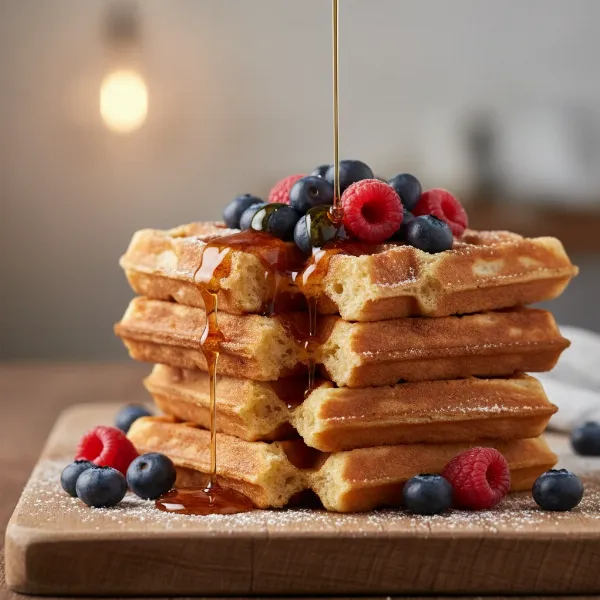
There’s little in this world more satisfying than a perfectly cooked waffle: golden-brown, crispy on the outside, and delightfully fluffy on the inside. Yet, a common culinary disappointment is biting into a waffle only to find it limp, squishy, and utterly soggy. If you’ve ever wondered why your efforts result in a less-than-ideal texture, you’re not alone. The good news is that achieving that coveted crispiness is entirely within reach, often requiring just a few simple adjustments to your technique and understanding of moisture control. This guide will walk you through the primary culprits behind soggy waffles and provide actionable solutions to ensure every batch is a triumph.
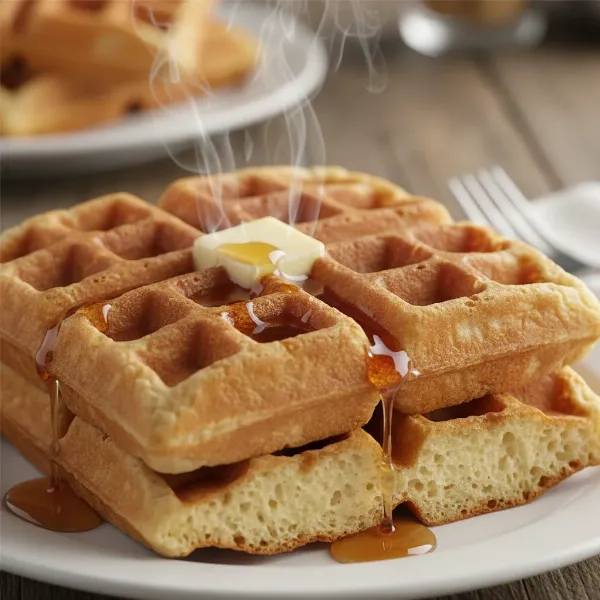 A close-up of a perfectly golden-brown, crispy waffle with a fluffy interior.
The Unwanted Softness: Common Reasons for Soggy Waffles
Understanding the root causes of sogginess is the first step toward waffle perfection. Most issues stem from either too much moisture that doesn’t evaporate or improper cooking conditions that prevent a crispy crust from forming.
The Underheated Waffle Iron
|
Our Picks for the Best Waffle maker in 2026
As an Amazon Associate I earn from qualifying purchases.
|
||
| Num | Product | Action |
|---|---|---|
| 1 | Elite Gourmet EWM015MX Electric Nonstick 4.5-inch Mini Waffle Maker, Belgian Waffles, Compact Design, Hash Browns, Keto, Snacks, Sandwich, Eggs, Easy to Clean, Mint |

|
| 2 | Dash No-Drip Waffle Maker - Quad Waffle Maker for Hassle-Free Breakfasts - Dual Nonstick Heating Plates & Quick Heat-Up System - Easy-Release Surface - Silver |
|
| 3 | bella Classic Rotating Belgian Waffle Maker with Nonstick Plates, Removable Drip Tray, Adjustable Browning Control and Cool Touch Handles, Black |
|
| 4 | Cuisinart Waffle Maker, 1250W Round Classic Waffle Iron, 5-Setting Adjustable Browning Control, WMR-CANAS, Brushed Stainless |
|
| 5 | KRUPS 4-Slice Belgian Waffle Maker: Stainless Steel, 5 Browning Levels, Audible Ready Beep, Removable Plates, 1200W, Silver/Black, Large Waffle Maker Family Size, Great for Family Breakfasts |
|
| 6 | Dash Mini Waffle Maker- Compact Electric Iron for Creative Homemade Treats - Nonstick Surface - Easy-to-Clean - Perfect for Kids & Families - Aqua |
|
| 7 | Cuisinart Round Flip Belgian Waffle Maker, Black/Silver, 1 inch thick, WAF-F30NAS |
|
| 8 | Cuisinart Waffle Maker, 1250W Round Classic Waffle Iron, 5-Setting Adjustable Browning Control, WMR-CAP2, Brushed Stainless |
|
| 9 | Waffle Maker, Rotating Belgian Waffle Maker, 180° Flip Waffle Iron, Non-Stick Plate, Adjustable Browning Control, Foldable Cool Touch Handle, Removable Drip Tray, Space Saving Storage, Stainless Steel |
|
| 10 | OSTBA Waffle Maker, 2 Slice Non-Stick Waffle Iron, Belgian Waffle Machine with Indicator Lights, PFOA Free, Perfect for Breakfast and Snacks, 750W |
|
One of the most frequent reasons for soggy waffles is an insufficiently heated waffle iron. When the iron isn’t hot enough, the waffle batter doesn’t immediately sizzle and form a crust upon contact. This delays the cooking process, preventing moisture from quickly turning into steam and evaporating out of the sides of the griddle. The result is a waffle that cooks slowly, becomes squishy, and lacks that essential crispy exterior.
Excess Moisture in Your Batter
The balance of liquids in your waffle batter is crucial. Too much liquid, whether from an excess of milk or water, or from ingredients with high moisture content like buttermilk, can lead to a heavy batter. This surplus moisture struggles to evaporate completely during cooking, leaving your waffles soft and limp instead of light and crisp. Even certain specialty ingredients, like sweet potatoes, can contribute to excess moisture if not properly prepared, such as by roasting them to reduce water content before adding them to the batter.
Overmixing and Gluten Development
While it might seem intuitive to mix your batter thoroughly, overmixing can be detrimental to waffle texture. Excessive mixing activates the gluten in the flour, leading to a denser, chewier, and less airy waffle. Gluten development prevents the waffles from rising properly and achieving that desirable light, fluffy interior, ultimately contributing to a soggy mouthfeel.
Premature Removal and Improper Cooling
Removing waffles too soon from the iron means they haven’t had adequate time to brown and crisp, allowing moisture to remain trapped. Equally important is how you handle waffles immediately after cooking. Stacking hot waffles directly on a plate is a common mistake that guarantees sogginess. When piled, the trapped steam from the freshly cooked waffles condenses, turning the bottom waffles soft and squishy as they cool.
Your Guide to Crispy Perfection: How to Fix Soggy Waffles
Now that we’ve identified the common pitfalls, let’s explore the techniques and adjustments that will elevate your waffle game from soggy to supremely crispy.
Optimal Waffle Iron Preparation
The foundation of a crispy waffle lies in a properly prepared waffle iron. Always preheat your waffle iron for at least 5 to 10 minutes before pouring in any batter. A good test for readiness is to flick a drop of water onto the griddle; if it sizzles and evaporates immediately, your iron is hot enough to create an instant crust. This initial blast of heat is vital for sealing the exterior and allowing internal moisture to escape as steam. For best results, most waffle irons perform optimally between 170-200°C (338-392°F).
Crafting the Perfect Batter
The composition and preparation of your batter play a significant role in achieving crispy waffles.
- Balancing Liquids: If your recipe calls for buttermilk, consider swapping half of it for regular milk to create a thinner, lighter batter that crisps up better without sacrificing flavor. Carefully measure all liquids to avoid an overly watery consistency.
- The Power of Starch: For an extra crispy boost, replace 1-2 tablespoons of flour with cornstarch for every cup of flour in your recipe. Cornstarch helps create a more delicate crust that stays crispy longer, without affecting the taste.
- Gentle Mixing: Mix your waffle batter just until the wet and dry ingredients are combined. A few lumps are perfectly acceptable. Overmixing develops gluten, leading to denser waffles that struggle to achieve crispiness.
- Room Temperature Ingredients and Resting: Ensure your eggs and milk are at room temperature. Cold ingredients can inhibit leavening agents from working effectively, resulting in flatter waffles. After mixing, let your batter rest for 10-15 minutes. This allows the flour to fully absorb the liquid and gives the leavening agents a head start, contributing to a lighter, more even texture.
- Aeration Techniques: For truly light and airy waffles, consider separating egg whites and yolks. Beat the egg whites to stiff peaks and gently fold them into the finished batter in several batches. The trapped air expands during baking, creating a fluffy interior. A touch of sparkling water or club soda can also introduce more bubbles for added lightness.
The Right Cooking Duration
Knowing when your waffle is done is key. Generally, waffles are ready when the steam emanating from the waffle iron significantly reduces or stops altogether. This indicates that most of the excess moisture has escaped. Don’t be tempted to open the waffle iron too early, as this can cause the waffle to sink and lose its fluffiness.
Post-Bake Care for Lasting Crispness
What happens after your waffles leave the iron is just as important as how they’re cooked.
- Cool on a Wire Rack: Never stack hot waffles. Immediately after taking them off the iron, place each waffle in a single layer on a wire cooling rack. This allows air to circulate around all sides, enabling steam to escape and preventing condensation that causes sogginess.
- Keep Warm in the Oven: If you’re making a large batch, you can keep cooked waffles crispy and warm by placing the wire rack on a baking sheet and transferring it to a preheated oven at a low temperature, around 200-250°F (90-120°C). Again, arrange them in a single layer initially to maximize crisping, though you can stack them lightly after a few minutes in the oven to make room for subsequent batches.
- Martha Stewart’s Steam-Releasing Trick: A surprising but effective tip comes from Martha Stewart: once a waffle is cooked, gently toss it back and forth between your (clean and heat-resistant gloved) hands to quickly release any trapped steam. This rapid evaporation helps maintain its crisp exterior.
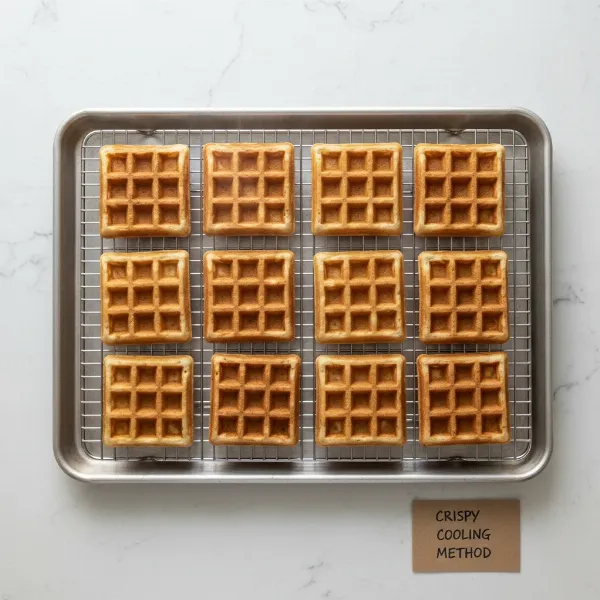 Freshly cooked waffles cooling on a metal wire rack to prevent sogginess.
Reviving a Limp Waffle: Tips for a Second Chance
Even with the best intentions, a waffle might occasionally go limp, especially if it’s been sitting for a while or was previously refrigerated. Don’t despair!
If your waffles have lost their crispness, a quick trip to the toaster or a few minutes in a warm oven can often bring them back to life. The dry heat helps evaporate any remaining moisture, restoring that delightful crunch.
Conclusion
Achieving perfectly crispy waffles is a culinary art that combines careful batter preparation with mindful cooking and post-bake handling. From ensuring your waffle iron is searing hot to managing moisture in your batter and preventing steam from getting trapped after cooking, each step plays a vital role in the final texture. Embrace these techniques, and you’ll transform your soggy waffle woes into consistently golden, crunchy delights. What’s your go-to trick for keeping waffles crispy?
Frequently Asked Questions
How long should I preheat my waffle maker?
You should preheat your waffle maker for at least 5 to 10 minutes to ensure it reaches its optimal cooking temperature. A hot iron immediately sets the waffle’s crust, allowing moisture to escape as steam and preventing sogginess. You can test if it’s ready by flicking a drop of water on the griddle; it should sizzle and evaporate instantly.
Can I use milk instead of buttermilk for crispier waffles?
Yes, you can often substitute some of the buttermilk for regular milk. Buttermilk tends to create a heavier batter, so swapping half of it for regular milk can result in a thinner, lighter batter that crisps up more effectively without losing flavor.
What’s the best way to store cooked waffles to keep them crispy?
To keep waffles crispy after cooking, place them on a wire cooling rack in a single layer. Avoid stacking them, as this traps steam and makes them soggy. For serving multiple waffles, you can keep them warm and crispy in a 200-250°F (90-120°C) oven on a wire rack.
Why are my waffles chewy instead of crispy?
Chewy waffles often result from overmixing the batter. Excessive mixing develops gluten in the flour, leading to a denser, more rubbery texture instead of a light, crispy one. Mix only until the wet and dry ingredients are just combined.
Can adding baking powder make waffles crispier?
While baking powder is crucial for making waffles light and fluffy, it primarily affects the internal texture and rise, not directly the crispiness of the exterior. For a crispier crust, consider adding cornstarch to your batter or ensuring your waffle iron is sufficiently hot.
Is it okay to open the waffle iron while cooking?
It’s generally not recommended to open the waffle iron prematurely while cooking. Opening it too early can cause the waffle to sink, lose its fluffiness, and interfere with the crust formation. Wait until the steam significantly reduces or stops, indicating the waffle is properly cooked.